
Youth health data
Based on the 2023 National Student Physical Fitness and Health Survey data and the monitoring results of multiple provincial and municipal centers for disease control, the current domestic adolescent health data overall shows the three-dimensional characteristics of "core physical fitness indicators have rebounded for three consecutive years, physical health risks such as myopia and obesity are still at high levels, and the detection rate of mental health problems is growing fastest." There is no universal optimization plan, and the effect of all intervention measures is highly dependent on the matching of family, school, and individual needs.
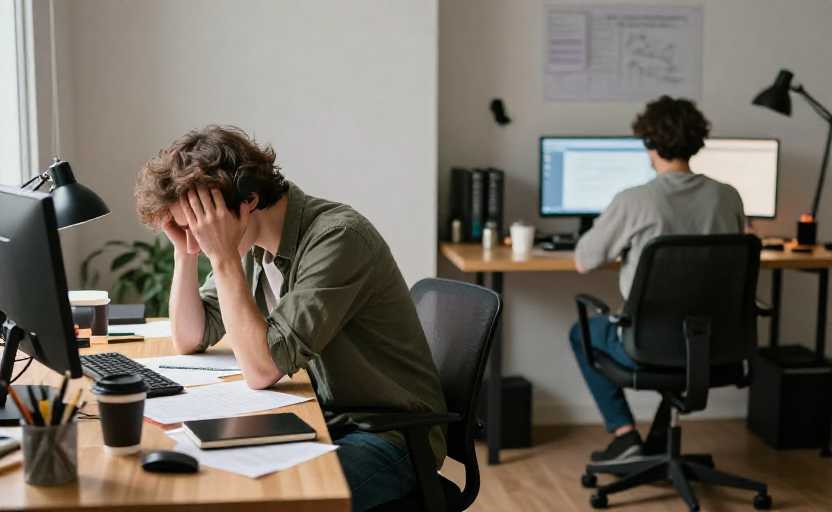
Last month, I followed the team from the Municipal Center for Disease Control and Prevention to three middle schools of different levels in the main city. I followed the physical screening test for a week, and my experience was particularly intuitive: the full score rate for the pull-ups for the sophomore boys in key middle schools was only 7%, and nearly half of them could not even pull down three pull-ups. However, the average results in the 50-meter run and endurance run were 0.2 seconds and 11 seconds faster than the data for the same age group in 2020, which just corresponds to the characteristics of "recovery in core physical fitness but obvious shortcomings in strength." If you go around campus, you will know that today’s children generally run fast and jump high, but the gap in upper body strength and core strength is much larger than ten years ago. After all, they usually sit while answering questions and checking mobile phones, and rarely have the opportunity to use the strength of their arms, waist and abdomen.
The traditional research school in the field of public health has been clamoring for the "one hour of campus physical activity per day" indicator to be hard-wired, and even suggested that it be directly linked to the assessment of the education department. Several principals I contacted shook their heads in private, saying that the senior year's class schedule is from morning to night, and even 10 minutes between classes, there are teachers to drag the class, forcing one hour of exercise. In the end, it is either changed to self-study, or groups standing and chatting on the playground, which is a formality. Scholars who specialize in adolescent psychology have mentioned another perspective: Many children's obesity and myopia problems are essentially emotional problems. When they are stressed, they overeat and stay up late at night to study questions. Just forcing them to exercise is useless. The fundamental problem is to reduce their academic burden first. Both arguments are reasonable, and no one can convince the other. After all, the student resources and pressure for further studies in different schools are so different that there is no way to use a standard set of cards.
Don't tell me, interest is the best driving force, and it is 10,000 times more effective than parents forcing you to practice. I once met a little girl who was in the second grade of junior high school. Her body mass index (BMI) was over 28, myopia was 300 degrees, and she had mild anxiety. Her mother had forced her to run 3 kilometers every day after school. After running for half a month, she cried and refused to go. Later, the school opened a street dance club and she took the initiative to sign up. She practiced for one and a half hours three times a week and lost weight in three months. She has gained 12 pounds, her myopia has not increased, and the score of the last psychological screening has returned to the normal range. She said that in order to squeeze in time for running, she would stay up until 11 o'clock to write homework in a panic. Now, in order not to delay her hip-hop practice, her class efficiency has doubled. She can finish all her homework in two hours after getting home, and she can sleep for half an hour more.
What has been particularly controversial in the past two years is campus health monitoring bracelets. Many schools now require children to wear them in class and during exercise. In the background, heart rate, exercise volume, and even sleep data can be viewed in real time. Those who support it say that this thing can really save lives. Last year, a school used heart rate warning to stop two students who suffered from congenital heart disease. It can also accurately customize exercise plans for children with different physical abilities, without the risk of sudden death caused by physical tests. ; Opponents believe that this is simply a "health shackle". Even in physical education classes, children have to be watched to see if they have reached the prescribed heart rate, which makes them resistant to exercise. Some parents are worried about data leakage. After all, even what time their children go to bed and how much they eat are recorded in the background, which always makes them feel uncomfortable.
Oh, by the way, there is also the matter of "linking physical tests with admission to higher education" that caused a lot of noise last year. Some local pilots have raised the physical education score of the high school entrance examination to 100 points. Some people have criticized it as too unfair to children who are born weak and have underlying diseases. Others say that this is to force parents and schools to pay attention to health. I personally feel that there is no need to be black and white. When I went to Hangzhou for research, I saw the operation of a school. They had already created a "list of alternative events". Those with asthma can choose swimming, and those with bad knees can choose Ba Duanjin. As long as the corresponding exercise duration and intensity are met, they will be considered full marks. They neither relaxed the requirements nor forced the children to do it. Last year, their school's physical test compliance rate was 13 percentage points higher than when the running and jumping events were forced.
Back to the public objective data: In the 2023 survey data, the myopia rate among teenagers aged 7-18 is 53.6%, which is 1.2 percentage points lower than in 2020. However, it is worth noting that the myopia rate in the lower grades of primary school has increased to 14.5%. Many children wear glasses as soon as they enter first or second grade. This is mostly because they hold a tablet and watch animations every day in kindergarten.; The obesity rate is 17.8%, an increase of 0.8 percentage points from 2020. Nearly 10% of children have already developed prodromal symptoms of hypertension and hyperlipidemia. The issue of chronic diseases is really not alarmist. ; The most alarming thing is that the detection rate of depressive tendencies has reached 14.8%, and it exceeds 20% for the third year of junior high school and senior high school students. Many times when children say "I am tired", it is really not hypocritical, but the physiological and psychological state has reached the critical point.
In fact, after all is said and done, adolescent health data has never been used to put together good-looking report numbers. It does not mean that all children have perfect scores in physical tests and the myopia rate has dropped to 0, which means they are healthy. I met a kid before who got a perfect score in the 1,000-meter run, but he had insomnia until early in the morning every day, and his hands shook when he took the test. No matter how good the data is, it is meaningless. The data is just a reference, and it will ultimately fall on each specific child. After all, there is no unified standard answer to health.
Disclaimer:
1. This article is sourced from the Internet. All content represents the author's personal views only and does not reflect the stance of this website. The author shall be solely responsible for the content.
2. Part of the content on this website is compiled from the Internet. This website shall not be liable for any civil disputes, administrative penalties, or other losses arising from improper reprinting or citation.
3. If there is any infringing content or inappropriate material, please contact us to remove it immediately. Contact us at:
