
Nutritional risk index for the elderly
The Nutritional Risk Index for the Elderly (MNA-SF) is currently a global rapid screening tool for malnutrition in the elderly. The full score is 14 points. 12 points is the safety critical line. A score below 12 means there is a clear risk of undernutrition and timely intervention is required.
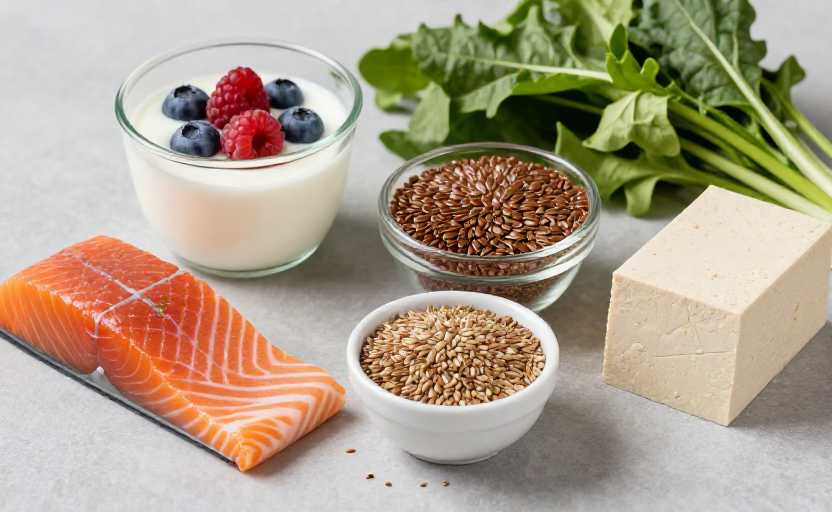
Last week, I met 68-year-old Aunt Zhang when I was doing a free nutrition clinic for the elderly in the community. She came over with a diet book that she had memorized for more than half a year. She said that she was eating lightly and her blood pressure and blood sugar were stable, so she must be fine. However, when the index was only 9 points, she was stunned on the spot. I looked through her diet book. She had white porridge with pickles for breakfast, clear noodle soup with a small dish of fried vegetables for lunch, and half a corn or leftovers from the previous day in the evening. At the end of the day, she rarely even had an egg. She also plausibly said, "You have to eat light food when you are old. Big fish and meat are easy to get sick."
In fact, this index was first launched by the European Geriatric Nutrition Society in the 1990s. It is now used in routine admission screening of geriatric departments in domestic tertiary hospitals and elderly health examinations in community public health. Over the years, the accuracy rate has reached more than 85%. However, there are currently two schools of thought in the industry: One school believes that the universal version of the scale is mature enough and that the 12-point critical line is universally applicable and there is no need to adjust it. ; Another team doing localization research feels that this scale is based on the eating habits of Western elderly people, and it is easy to miss diagnoses in China - for example, Western elderly people often eat dairy products and red meat, and these two items have a high weight in the scale. However, many elderly people in our country are lactose intolerant and cannot drink milk, and many people believe that "eating" "Literacy and good health", coupled with the Laohuo Jingtang that the elderly in the south love to drink, and the soup rice that is often eaten by the elderly in the north, it seems that they have eaten a lot, but in fact the nutritional density is extremely low, and these situations are not covered by the general scale. Some elderly people who are actually at nutritional risk are stuck on the passing line of 12 points when measured, and they are easily ignored.
It is actually very simple to test the elderly at home, and there is no need to memorize complicated formulas. First look at your weight in the past three months. If you have lost more than 3 kilograms without deliberately losing weight, then put a question mark first. ; Let’s look at the state of eating. If you used to be able to eat a full bowl of rice, but recently you can only eat half a bowl, and you can’t even get interested in your usual favorites like soy sauce pork elbows and osmanthus cakes, then there is a high probability that you will have to deduct points. ; If you are also combined with debilitating chronic diseases such as diabetes and COPD, or if you have bad teeth and cannot even chew soft stews, the risk level will increase. I once met an 82-year-old retired teacher who ate whole grains every meal. His health care notes were more neatly written than the class notes I took when I was in school. The test result showed that his index was only 10 points. When I asked him, I found out that he had lost three teeth and had not had time to get them replaced. He could not chew whole grains, so he chewed them twice and swallowed them. He did not absorb much at all. He also always felt that eating meat increased blood lipids, and he lost 8 pounds in half a year. Later, I beat whole grains into a paste, added one or two boiled lean beef every day, and ate steamed eggs every two days. After a month and a half, the test returned to 13 points, and the complexion on his face became much brighter.
There are also many public health scholars who feel that this index is still too complicated. The elderly themselves cannot remember so many questions. It is easier to directly measure the calf circumference. If the calf circumference is less than 31cm for men and less than 30cm for women, the consistency with the nutritional risk index screening can reach more than 80%, which is especially suitable for large-scale community surveys. However, most clinical doctors still prefer complete index screening. After all, some elderly people have heart failure and renal edema. Their calves may look thick, but in fact the albumin content in their bodies is alarmingly low. It is easy to misdiagnose based on calf circumference alone.
After all, this index is a nutrition alarm that goes off in advance. You don’t have to worry too much about whether a difference of one or two points is a problem. I have seen too many family members always say that "the elderly are lucky to be thinner". When the elderly fall and break bones due to low immunity, or a flu turns into pneumonia and is hospitalized, they realize that something is wrong with the ten pounds they lost in the past six months, and it will be difficult to supplement nutrition by then. If the score is lower than 12, don’t panic. Go to the geriatric department for a blood test to see the albumin and prealbumin indicators, and then adjust your diet accordingly. Most of the time, you can slowly bring it back.
Disclaimer:
1. This article is sourced from the Internet. All content represents the author's personal views only and does not reflect the stance of this website. The author shall be solely responsible for the content.
2. Part of the content on this website is compiled from the Internet. This website shall not be liable for any civil disputes, administrative penalties, or other losses arising from improper reprinting or citation.
3. If there is any infringing content or inappropriate material, please contact us to remove it immediately. Contact us at:
