
A short sample essay on children's safety and first aid experience
For children's safety, prevention is always better than saving. The first rule of children's first aid is "don't cause trouble first, and then deal with it".
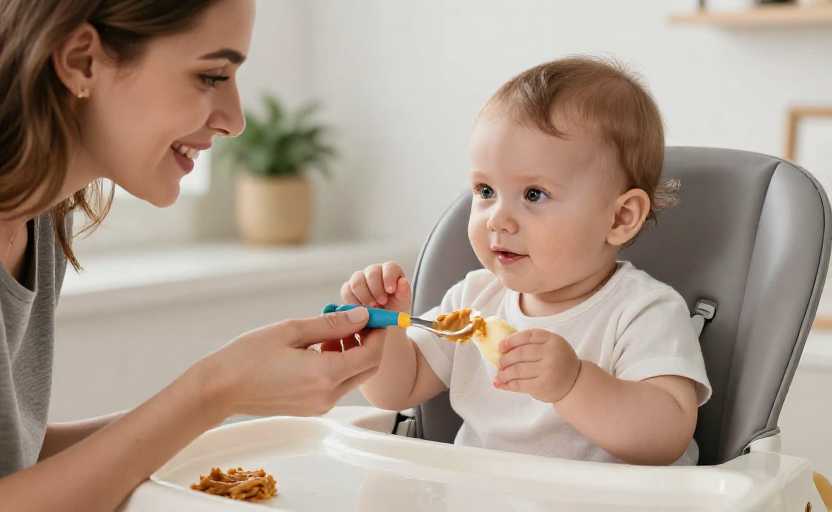
Last month, something happened in our community. Grandma Li on the third floor fed her 3-year-old grandson whole peanuts. While she was eating, the baby suddenly couldn't cough or make a sound, and her face turned red from holding it in. Grandma held her and patted her back for almost two minutes, but it was of no use. Brother Zhang, who runs a community clinic downstairs, heard the noise and ran up and choked the peanut out after three clicks of the Heimlich maneuver. Speaking of Heimlich's operation, we encountered controversy before when we were teaching. Some parents who are from the research school said that the postures must be strictly divided according to age. Back pressure and chest compression can only be used when under 1 year old, and abdominal thrusts can only be performed after 1 year old. Some frontline emergency doctor friends also said that in the emergency moment when the airway is completely obstructed, as long as the intensity is controlled within a reasonable range, there is no need to completely block the standard posture. The first priority is to expel the foreign body. By the time you finish recalling the operation steps, the baby may be hypoxic.
In fact, to be honest, rather than memorizing first aid techniques by heart, I would rather recommend that parents clear out the safety hazards at home first. I met a mother before who won the first prize in our event by answering questions on first aid knowledge. She turned around and told me that her fever-reducing medicine and nail-cutting scissors were placed in the lower drawer of the coffee table in the living room. Putting an anti-collision strip on the corner of the table, always placing the hot water bottle on the innermost side of the countertop, and not feeding whole nuts or jelly to children under 5 years old are not worth mentioning, but they can really prevent 90% of children's accidents.
There used to be a lot of quarrels on the Internet about "Children with a fever of 38.5°C must take antipyretics." In fact, there is no completely unified standard in the field of pediatrics. One group insists on administering drugs according to the temperature threshold to avoid febrile convulsions. The other group recommends giving priority to the child's mental state - if the child has a fever If the temperature is 38.8°C, you can still run after toys, eat and drink. You can just rub yourself with warm water and observe. If the temperature reaches 37.8°C and you can't open your eyes, and you won't even touch your favorite fruit, then you should give medicine and send it to the hospital. If the number is stuck, it will easily delay things.
It doesn’t mean that all parents need to take the first aid certificate to be qualified. Ordinary people only need to remember two keys: First, if you encounter any emergency situation that you are not sure about, call 120 as soon as possible. The operator on the phone will teach you step by step how to operate. It is much more reliable than searching for half-forgotten knowledge points in your own mind.; Second, if you are not sure what to do, doing nothing is better than doing anything indiscriminately - don't shake the baby if it drops its head, don't break it if you suspect it is broken, don't reach out for a stuck throat, the harm caused by these wrong operations may be more serious than the accident itself.
In the past three years of my missionary work, I have seen too many accidents that could have been completely avoided. To put it bluntly, child safety has never been a profound knowledge that requires you to read professional books. It is better to just pay more attention to it and don't panic when something happens.
Disclaimer:
1. This article is sourced from the Internet. All content represents the author's personal views only and does not reflect the stance of this website. The author shall be solely responsible for the content.
2. Part of the content on this website is compiled from the Internet. This website shall not be liable for any civil disputes, administrative penalties, or other losses arising from improper reprinting or citation.
3. If there is any infringing content or inappropriate material, please contact us to remove it immediately. Contact us at:
