
Tips for preventing heart disease
Don’t be extreme in your daily diet, don’t engage in blitzes with exercise, don’t suppress your emotions and don’t have random outbursts, and keep an eye on the three indicators of blood pressure, blood lipids, and blood sugar during annual physical examinations. No fancy folk remedies are needed. If you do these things in place, you can avoid more than 80% of the risk of acquired heart disease.
Last week I met a 32-year-old programmer in the outpatient clinic. He had an acute myocardial infarction last winter when he was staying up all night to change his needs. He had a stent inserted. When he was discharged from the hospital, he was so scared that he thought he would be disabled for the rest of his life. As a result, he didn’t buy any sky-high-priced heart-protecting health care products this year, and just followed the adjustment plan we gave him. This time, all the indicators in the review were normal compared to many of his peers who were not sick.
When many people mention protecting the heart, their first reaction is to go vegetarian and avoid red meat. In the past two years, I have met many people who dare not even eat egg yolks to protect the heart. In fact, the academic community has always had different views on this: last year, a study in the "American Journal of Clinical Nutrition" mentioned that healthy people should eat a weekly Eating lean beef and lean pork 3-5 times, each time in the palm of your hand, will not increase the cardiovascular burden at all. On the contrary, if people who are completely vegetarian do not supplement B12 and iron, they will be more likely to develop anemia, which will increase the risk of anemic heart disease in the long run. In fact, you just need to remember to eat less trans fat in your daily meals - the things in milk tea, cream cakes, and shortbread are the hardest hit areas. Don't exceed the amount of salt in a beer bottle cap every day, which is much more effective than just quitting this and that.
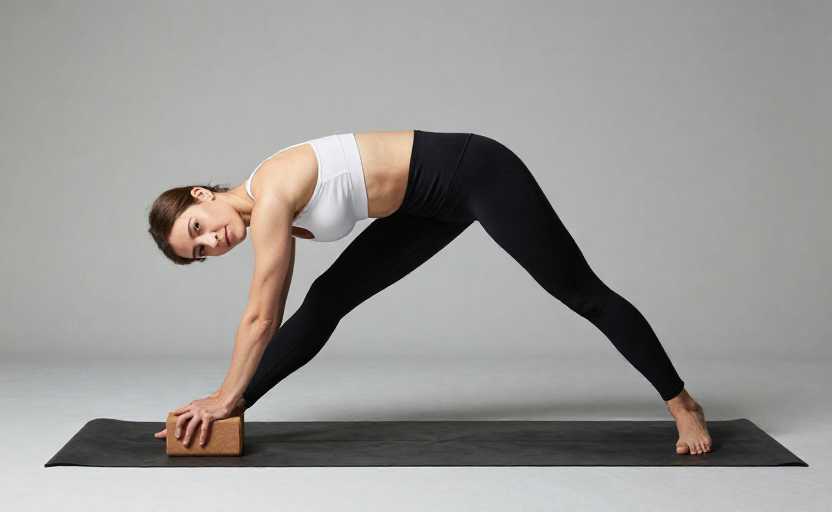
When it comes to exercise, the most common pitfall I have seen is "exercise on the weekends": sitting at work for 10 hours without moving, but running a half-marathon or climbing a mountain when free on the weekends. On the contrary, this kind of sudden high-intensity exercise is the cause of sudden myocardial infarction in many young adults. There are now two schools of advice in the sports medicine community: One school insists on doing 150 minutes of moderate-intensity aerobics every week, lasting at least 30 minutes each time ; The other group believes that the effect of fragmented exercise is almost the same. Every hour after sitting, you get up and walk for 3 minutes, climb two flights of stairs, and accumulate 30 minutes of activity a day. The effect of protecting the heart is not bad at all. Office workers can choose the method that suits them. There is no need to force themselves to spend the whole time going to the gym.
Another point that is most easily overlooked is emotion. Last month, we admitted a 58-year-old patient to the emergency department. His blood pressure and blood lipids are usually well controlled. However, he got into an argument with someone while driving during the morning rush hour. After a 10-minute argument, he turned around and felt chest pain and collapsed on the steering wheel. When he was sent to him, he was found to have an acute myocardial infarction. There are now two different emotional suggestions for protecting the heart: one is to maintain a peaceful mind and try not to be angry. ; Another school of psychology believes that holding back your emotions is more harmful than losing your temper. If you are really angry and can't complain to a friend for 10 minutes, or even find a place where no one is around to curse, it is much better than being depressed in your heart and letting the sympathetic nerves continue to be excited for several hours. You don't have to force yourself to be an "emotional perfectionist".
Oh, by the way, don’t blindly buy those heart-protecting supplements that boast of being amazing, such as Coenzyme Q10 and deep-sea fish oil. If you have a balanced daily diet and are not deficient in relevant nutrients, taking them is basically for psychological comfort. Excessive supplementation of Coenzyme Q10 may also cause gastrointestinal discomfort and dizziness, which will put a burden on the body. If you really want to take supplements, you should ask your doctor first, and don’t buy and eat them by yourself.
To be honest, there really aren’t that many flashy tips for protecting the heart. They are all small things that can be done easily every day. There is no standard answer that suits everyone. For example, people with a family history of high blood pressure should pay more attention to their blood pressure than others. Those who usually like to stay up late should first adjust their bedtime by half an hour. What suits you is the most useful. If you are really unsure, ask a cardiologist during your annual physical examination, which is much more reliable than reading 10 short health videos.
Disclaimer:
1. This article is sourced from the Internet. All content represents the author's personal views only and does not reflect the stance of this website. The author shall be solely responsible for the content.
2. Part of the content on this website is compiled from the Internet. This website shall not be liable for any civil disputes, administrative penalties, or other losses arising from improper reprinting or citation.
3. If there is any infringing content or inappropriate material, please contact us to remove it immediately. Contact us at:
