
Basic and specialized sports
For the vast majority of sports participants, basic athletic ability is the underlying support for all specialized sports. The priority between the two is always to supplement the basics first and then focus on specialties. There is no either/or opposition, only differences in choices to adapt to different training stages and different needs. This is the most practical conclusion I have come from after playing ball games + rock climbing for 8 years and running three sports rehabilitation departments.
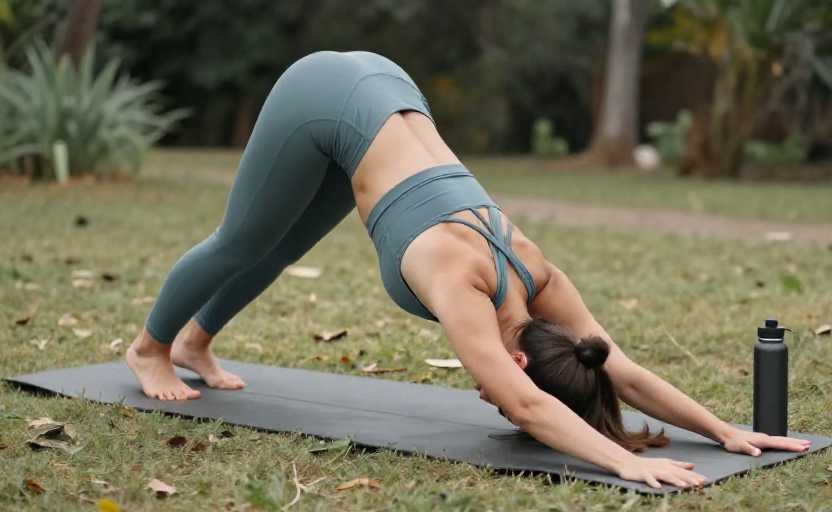
Not long ago, I accompanied my golf friend to an orthopedic check-up. He saved up half a year's salary to buy professional-grade basketball shoes, and practiced step-back three-pointers every day in the gym. He practiced until the patellar tendonitis became swollen like a small steamed bun, and even going up and down stairs hurt. The rehabilitation therapist asked him to do a standing test on one leg. When he closed his eyes, he swayed like a plastic bag in the wind. His hip flexor strength was so weak that he could not stand up without using his hands to support himself from sitting on the ground. To put it bluntly, it means skipping all basic ability building and focusing directly on special projects. Sooner or later, your body will be unable to bear it.
Many people actually can't tell the boundary between the two. To put it bluntly, basic movements are the abilities you should have as a "human": normal joint mobility, static and dynamic core stability, correct movement patterns of walking, running, jumping, squatting, pushing and pulling, and basic strength and endurance coordination. These things are regardless of the event. You have to use them whether you are dancing in the square or competing in professional competitions. Just like the basic operating system of a mobile phone, the system version is low and there are many bugs. No matter how useful the app is, it will freeze when opening it and crash at every turn. Specialized sports refer to the unique action logic of a certain event: the internal rotation smash of badminton, the butterfly whip kick of swimming, the dynamic point take-off of rock climbing, and the high flip station of weightlifting. These are techniques specially polished for the scoring and efficiency of specific events. They are equivalent to functional apps that you can download on demand.
Nowadays, the two factions in the fitness circle are quarreling fiercely. The "basic faction" says that there is no need to touch any special events. First, you can squat, deadlift and bench press to several times your body weight, and your performance will not be worse in any sport.; “The "specialist" group says that nowadays competitive sports are all about extreme specialization. It is a waste of time to practice general basic strength, and it is easy to grow excess muscles that affect the flexibility of special sports. For example, figure skaters practice deadlifts too hard to make their legs thicker, and their rotation speed will be lost.
In fact, both sides are right, but the ones who are wrong are those who mess with their experience.
If you are an ordinary enthusiast who only squeezes in three or four hours of exercise a week to have fun without getting hurt, then you must give priority to replenishing your basic abilities to be the most cost-effective. I used to play badminton and always wanted to practice extreme smashes. I practiced so hard that my rotator cuff hurt for half a month. Then I stopped playing and practiced ankle stability, core anti-rotation and rotator cuff strength for two months. When I hit the racket again, my smashing speed increased by 10%. I never sprained my feet before catching the ball at the net. Calculated, I made faster progress than my half-year practice of special training. Don’t think that basic training is all about boring irons. You usually take less than two floors of elevators and climb stairs more. When you sit for a long time, you do a few standard empty-hand squats. When you walk, you consciously tighten your core. These are all filling the holes in your basic abilities. It is much more useful than your two-hour special training on weekends.
Of course, if you take the professional competitive route, that's another matter. Professional athletes train for 6 to 8 hours a day. They have fully developed their basic abilities in their teens. The marginal benefit of adding general strength is almost zero. Of course, they must move towards specialization and refinement. If you look at Su Bingtian's later training content, most of it was focused on honing special muscle patterns for exerting force at the start and swinging arms during running. It was impossible to do heavy squats in the power zone every day - his basic lower limb strength was already enough to support the 100-meter time within 10 seconds. Adding more muscle would increase the load and slow down the cadence.
I also stepped on this pit when I was rock climbing last year. I always wanted to overcome the difficulty. I spent every day on the rock wall to practice finger strength and dynamic jumps. But one time I missed the dynamic jump and fell down and twisted my waist. Then I returned to the ground to practice core and hip flexibility. Now, the difficulty rises faster than before when I was obsessed with special events, and minor injuries to my wrists and ankles rarely occur anymore.
To put it bluntly, basic exercise helps you adjust your body to a state that is "usable and durable", while specialized exercise helps you adjust your body to a state that is "particularly useful for something." If the order is reversed, you will either practice for a long time without making any progress, or you will practice until you lie down to recuperate, which is a loss no matter how you calculate it. There is really no need to follow the trend and pursue any high-level special skills. Standing firm, squatting, and running without shaking are better than anything else.
Disclaimer:
1. This article is sourced from the Internet. All content represents the author's personal views only and does not reflect the stance of this website. The author shall be solely responsible for the content.
2. Part of the content on this website is compiled from the Internet. This website shall not be liable for any civil disputes, administrative penalties, or other losses arising from improper reprinting or citation.
3. If there is any infringing content or inappropriate material, please contact us to remove it immediately. Contact us at:
