
Main contents of dietary taboos
Medical taboos adapted to individual physiological and pathological conditions, empirical taboos under different dietary theoretical systems, and social taboos based on cultural customs. Almost all widely discussed dietary taboo items can be classified into these three categories. There is no unified "universal taboo list", and adaptability is the core judgment criterion.
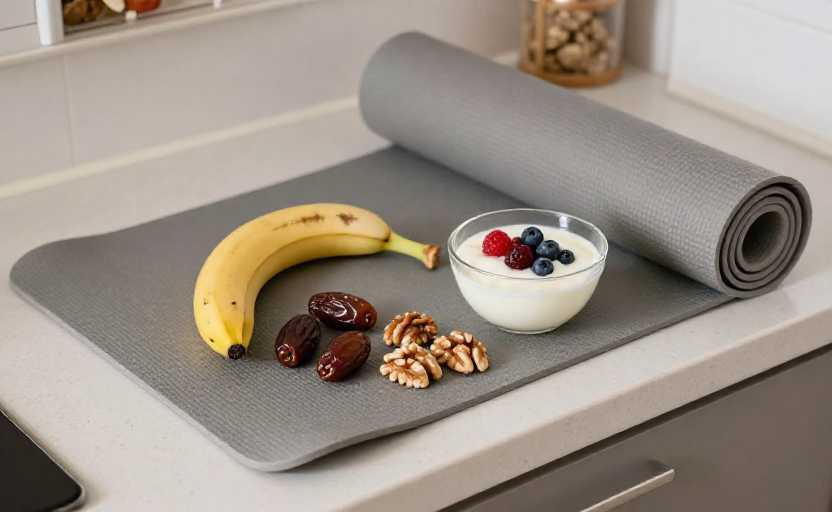
I met an uncle at a community nutrition clinic a while ago. He had gout for three years and still drank Laohuo soup every day. Every time the pain made him unable to get out of bed, he would slap his thighs and regret that he had not taken any taboos. This is a typical example of not taking pathological taboos seriously. This type of taboo is a hard rule with clear evidence-based medical basis: people with lactose intolerance should avoid fresh milk without lactase added, children with phenylketonuria must strictly limit their food intake containing phenylalanine, and they must not touch alcoholic food or drinks while taking cephalosporins and metronidazole antibiotics. Severe disulfiram reactions can really be fatal. There is no room for debate on this part, just follow the doctor's advice.
When it comes to empirical taboos, there is much controversy. For example, the older generation often says that you should not eat eggs or eat cold food when you have a cold. Modern nutrition often believes that as long as there are no gastrointestinal reactions such as nausea and diarrhea, supplementing with high-quality protein will help the body recover. There is also the theory of "hair growth" that has been circulated in the traditional Chinese medicine system for thousands of years. You should not eat mutton after surgery, and eating seafood will cause the wound to "hair". I have talked about this topic with teachers and friends in traditional Chinese medicine clinics that I am familiar with. Their logic of judgment has never been one-size-fits-all: I am a person with a constitution of yin deficiency and internal heat. Eating warm and tonic mutton after surgery is indeed likely to aggravate the inflammatory reaction. If you are afraid of cold due to yang deficiency and slow wound healing, eating a small amount of warm and tonic food will help to restore qi and blood. There is also the hotly debated saying in the fitness circle that "you must not touch refined sugar during the fat loss period." Many nutritionists believe that occasionally eating desserts to regulate your mood is more conducive to long-term weight management than long-term suppression of appetite leading to retaliatory overeating. Both of these statements are supported by a large number of actual cases. There is no need to argue who is right and who is wrong. The one that suits you is right.
There are also some taboos that have nothing to do with health and are purely rules set by cultural customs. For example, when you visit a Hui friend’s house, you cannot bring sauced pork elbows to the door. Hindu believers do not eat beef. Some fishermen along the coast do not say "turn" when eating fish, and they do not turn the whole fish over. The essence of these taboos is respect for different cultures and different groups’ living habits. It has nothing to do with whether they are healthy or not. When it comes to compliance, there is no need to say "pork is obviously rich in nutrients, so why can't you eat it?" I went to Xiapu, Fujian to shoot a food-related topic. When eating at a local fishermen's house, the elders would not let their children stick their chopsticks straight into the rice, saying it resembled the posture of a sacrifice. This is a conventional social taboo with no scientific basis, but it is not a bad thing to know some rules.
Oh, by the way, the most frequently posted articles on the Internet are "pseudo-taboos", such as "You can't eat persimmons after eating crabs" and "Eating vitamin C and shrimp together is equivalent to eating arsenic." Last time, my sister even forwarded this kind of marketing article to me in a serious way. , I calculated an account for her: To reach the dose of arsenic poisoning, you have to eat more than 100 kilograms of shrimps that are seriously contaminated with heavy metals in one meal, and then eat dozens of medicinal vitamin C tablets. Who can eat so much during a normal meal? This kind of eye-catching content is not a serious dietary taboo at all. It is just a code for self-media to earn traffic. Just watch it for fun, don't take it seriously.
After all, there is really no universal list of dietary taboos. Don’t use other people’s taboos to impose on yourself. For pathology-related matters, listen to the doctor. For experience-based ones, feel your body’s reaction. For social ones, do as the Romans do. It is much more useful than collecting a hundred articles on the “most complete list of dietary taboos”.
Disclaimer:
1. This article is sourced from the Internet. All content represents the author's personal views only and does not reflect the stance of this website. The author shall be solely responsible for the content.
2. Part of the content on this website is compiled from the Internet. This website shall not be liable for any civil disputes, administrative penalties, or other losses arising from improper reprinting or citation.
3. If there is any infringing content or inappropriate material, please contact us to remove it immediately. Contact us at:
