
Main examinations for disease screening
The first is screening for highly hidden and high-risk common diseases that generally need to be covered by the public; the second is special screening for high-risk diseases that match personal age, gender, and genetic history; and the third is screening for exposure-related diseases corresponding to occupation and living environment. To put it bluntly, screening is like "directional demining" of the body. You don't need to dig through every inch of soil, but focus on those areas with the highest risk.
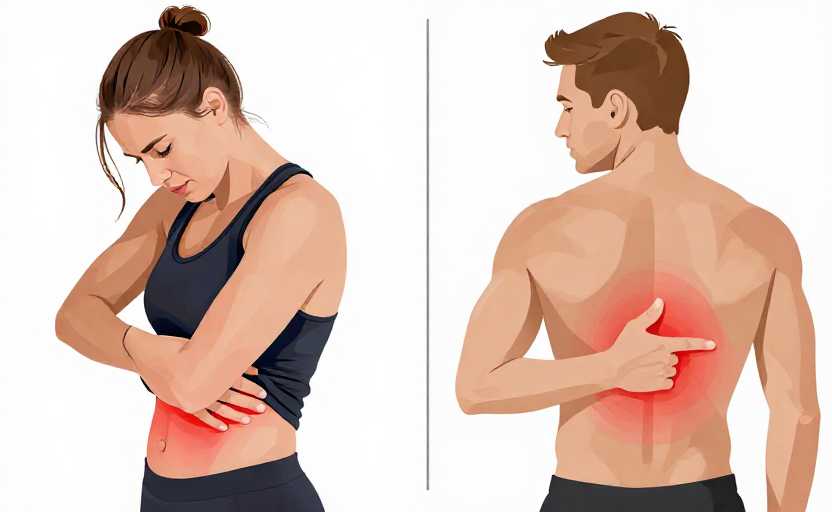
A few years ago, when I was responsible for screening and education in community public health, I saw too many people confused by the dozens of items in the physical examination package. Either they only chose the most basic ones because they were cheap, or they checked all the expensive items for fear of missing a disease. In fact, they all fell into misunderstandings. Take the most basic universal screening as an example. Routine hematuria, liver and kidney function, blood pressure, blood lipids and blood sugar, chest X-ray, and electrocardiogram may seem ordinary, but they can actually screen out 80% of common high-morbidities. Many people think that they don’t need to check their fasting blood sugar because they are not fat or don’t like sweets. Last year, 7 of the 12 people with new-onset prediabetes screened out in our community were under 30 years old. They drank milk tea and stayed up late every day without any symptoms. If they were not screened, they would most likely develop diagnosed diabetes in two to three years. Some people refuse to do chest X-rays because they think they are exposed to radiation. In fact, the radiation dose of a chest X-ray once a year is not as high as if you took 10 long-distance flights. There is really no need to give up eating because of choking.
The basic items are laid out, and the rest have to be added as needed. I met a 38-year-old woman last week. Her mother and grandmother are both breast cancer patients. She had never done a mammogram before because she found it troublesome. Fortunately, the screening followed our suggestions and added items. A Category 4a nodule was found. When removed, it was carcinoma in situ. After recovery, it basically does not affect her lifespan. However, there is also a controversial point here that has been quarreling among academic circles for several years: Should early cancer screening be performed for people at ordinary risk? For example, the guidelines of the United States Preventive Medicine Task Force (USPSTF) clearly state that women under 40 years old with no family history are not recommended to undergo routine mammography. The false positive rate can reach more than 30%. It would be fine, but instead they would have to undergo a biopsy and be worried for several months. ; However, many domestic breast doctors recommend that those over the age of 35 undergo breast ultrasound once a year. After all, the age of onset of breast cancer in China is 5-10 years earlier than in Europe and the United States. We have indeed seen many ordinary-risk patients in their 30s clinically. Both statements are supported by large sample data. There is no absolute right or wrong. The core still depends on your own risk level.
In addition to genetics and age, the environment you spend time in every day also determines what items to add. The building materials factory workers I contacted before were required to have high-resolution CT and lung function tests during screening. The risk of pneumoconiosis for people who have been exposed to dust for a long time is dozens of times higher than that of ordinary people. If they wait until they are coughing and out of breath before checking, it has basically reached the irreversible stage. There are also young people who sit in the office and face the computer every day. Don’t always focus on the extremely expensive cancer screening package. It is more practical to add an anteroposterior and lateral view of the cervical spine and a fundus examination. I have seen too many 25-year-old people with cervical spine degeneration similar to that of a 50-year-old. They have headaches and dizziness every day. They thought they didn’t sleep enough. After the examination, they found out that the cervical spine was pressing on the nerves.
Many people still have a misunderstanding, thinking that checking for tumor markers means checking for cancer. In fact, it is not. I met a young man whose physical examination at work showed that his CA199 level was twice as high. He was so scared that he didn't sleep well for a week. As a result, he came to us for a re-examination. He recently worked overtime for half a month and drank with clients every day. Inflammation can also cause tumor markers to rise. If you really want to diagnose cancer, you still need to cooperate with imaging and pathological examinations. There is no need to scare yourself just by looking at the blood test value.
In fact, to put it bluntly, there has never been a "standard list" for disease screening that is universally applicable. The core is "not to overlook high risks and not to do useless efforts." Instead of blindly copying packages from Internet celebrities, it is better to find a reliable general practitioner and spend 10 minutes reviewing your own living habits and family medical history, and then select the program that is most suitable for you, right?
Disclaimer:
1. This article is sourced from the Internet. All content represents the author's personal views only and does not reflect the stance of this website. The author shall be solely responsible for the content.
2. Part of the content on this website is compiled from the Internet. This website shall not be liable for any civil disputes, administrative penalties, or other losses arising from improper reprinting or citation.
3. If there is any infringing content or inappropriate material, please contact us to remove it immediately. Contact us at:
