
Lecture content on geriatric disease prevention and health care knowledge
There is no magic medicine or universal standard answer for the prevention of geriatric diseases. There are only three most reliable logics - focus on intervenable risk factors, hierarchical management according to your own basic diseases, and all health care methods should be adapted to your own physical condition. Don't follow the trend.
When I gave a lecture in Dongfeng Community two weeks ago, as soon as I finished saying this, seven or eight hands were raised in the audience, all asking, "Then the deep-sea fish oil I take every day is useful?" and "Can I flush my blood vessels twice a year to prevent cerebral infarction?" Let’s start with the topic of “flushing the blood vessels” that everyone asks about most. There are indeed different voices in the academic circles on this matter: Western medicine clinical guidelines clearly do not recommend routine infusion without indication, especially for the elderly who are taking anticoagulant drugs such as aspirin and warfarin. Blind infusion of traditional Chinese medicine injections that activate blood circulation and remove blood stasis may increase the risk of bleeding. ; However, the point of view of traditional Chinese medicine is that if there is a clear blood stasis syndrome, such as cold hands and feet all year round in winter, frequent dizziness and headaches, and a dark purple tongue with ecchymosis, after evaluation by a doctor at a regular traditional Chinese medicine hospital, you can use some oral medicine or injections for promoting blood circulation and removing blood stasis for a short period of time in autumn and winter. It is not completely impossible, but the premise is that you must find a professional doctor for evaluation. It is absolutely not okay to give it at home. Our blood vessels are like the tap water pipes at home. After sixty or seventy years of use, there must be some scale. If you want to wash away all the scale just by injecting two bottles of water, it is simply impossible. Check it regularly. Don’t pour oil into the pipes (that is, don’t eat too oily and salty), don’t open and close violently (don’t get emotional, don’t do sudden strenuous exercise), that’s better than anything else.
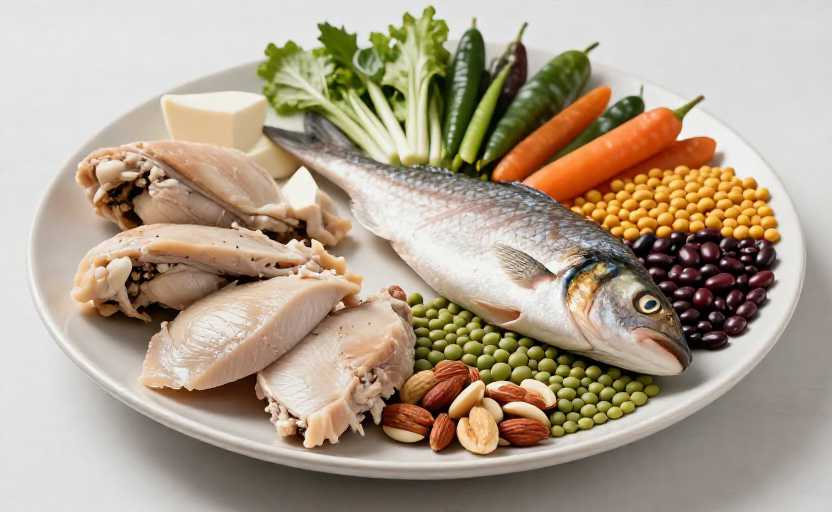
Speaking of eating, I remembered the Aunt Zhang I met last week. She held three boxes of Sanwu deep-sea fish oil and asked me if it could open blood vessels. She said that the medicine seller told her that she could stop antihypertensive medication by taking this. Don’t believe this nonsense. I have been working in community elderly care for 8 years. I have seen at least a dozen elderly people who stopped taking antihypertensive and antihyperglycemic drugs and took health supplements. In the end, they ended up in the emergency room with either cerebral infarction or ketoacidosis. Of course, it doesn’t mean that you can’t take all health supplements, such as calcium and vitamin D. If you drink less milk, get less sun exposure, and your bone density is indeed low, then affordable calcium supplements from regular manufacturers can be supplemented. There is no need to buy hundreds of dollars of imported products, the ingredients are not much different. In addition, some health-preserving accounts said that the elderly must be vegetarian to be healthy. During our follow-up, we actually saw an elderly person who drank white porridge and pickles every day. He was so thin that he only weighed more than 80 kilograms. He wobbled after taking two steps. His risk of falling was three times higher than that of an elderly person who ate a normal diet. The current consensus in the clinical nutrition community is that people over 65 years old should consume more protein than young people. They should eat 1.2-1.5 grams per kilogram of body weight every day. For example, if you weigh 120 pounds, you should eat at least two eggs, a carton of milk, and two ounces of lean meat every day. Don’t be afraid of eating oil and meat. If you have enough muscle mass, you will not fall easily, and your immunity can keep up.
Oh, by the way, I forgot to mention that falls are actually the number one cause of injury and death for people over 65 years old, and are more likely to cause death than acute attacks of cardiovascular and cerebrovascular diseases. Many people think that preventing falls is as simple as installing handrails and wearing non-slip shoes. In fact, it is not at all. Insufficient muscle mass, poor vision, unstable blood pressure control, and antihypertensive drugs that have the side effect of orthostatic hypotension are all causes of falls. Last time, there was an uncle Wang who heard someone say that walking 10,000 steps a day can lead to longevity. He had degenerative disease in his knees, and he still tried to make up for the steps every day, even climbing more stairs. In the end, the meniscus was so worn that he had to undergo surgery, which was not worth the loss. There are different opinions on the issue of exercise intensity. It is perfectly fine for elderly people with good joints to walk five to six thousand steps a day, do Tai Chi and square dance. For those with bad joints, don’t cram in steps. Swimming, doing ankle pump exercises while sitting on a chair, or even sitting on the sofa and lifting mineral water bottles filled with water to practice strength are all better than exercises that hurt the knees. There are also people who go out for morning exercise at 5 or 6 o'clock in the winter. The cold wind blows and the blood vessels constrict directly. Last year, there were two cases of myocardial infarction in our community during morning exercise. Don't do morning exercise before the sun comes out in winter. Wear an extra vest to protect your chest and back when you go out. Nothing is more important than your life.
At the end of the last lecture, an old man pulled me and asked, is there any universal health care formula? I told him at the time that I really didn’t. Don't listen to others who say that drinking panax notoginseng powder is good, just drink it every day. People with weak stomachs may be prone to gastric bleeding if they drink too much. ; Don’t just listen to others who say four or five hours of sleep is enough. Elderly people who don’t sleep for five hours for a long time have twice the risk of Alzheimer’s disease than those who sleep for six hours. If you really have insomnia, go to a sleep clinic for treatment. Don’t take diazepam randomly. The most practical thing to say is to go to a community hospital for a free physical examination every six months, and control the three indicators of blood pressure, blood sugar, and blood lipids within the range set by the doctor. Don’t compare your indicators with others. People with diabetes and those without diabetes have different goals for sugar control. The one that suits you is the best.
Oh, by the way, we will also hold a lecture in this activity room next Saturday, where we will teach everyone how to do strength training and Baduanjin suitable for the elderly. If you are interested, you can bring your old friends with you. If you have any questions, you can ask them on the spot.
Disclaimer:
1. This article is sourced from the Internet. All content represents the author's personal views only and does not reflect the stance of this website. The author shall be solely responsible for the content.
2. Part of the content on this website is compiled from the Internet. This website shall not be liable for any civil disputes, administrative penalties, or other losses arising from improper reprinting or citation.
3. If there is any infringing content or inappropriate material, please contact us to remove it immediately. Contact us at:
