
100 questions about menopause health knowledge
Menopause is a normal physiological transitional stage for women from strong ovarian function to decline. It is neither a "mark of aging" nor a "pretentious excuse." More than 87% of hot flashes, insomnia, mood swings and other discomforts can be alleviated through scientific life adjustments and standardized medical intervention. There is absolutely no need to endure it, let alone so-called "menopausal detoxification", "estrogen miracle medicine", "ovarian maintenance essential oil" and other pseudo-scientific rumors. The following is a list of the most frequently asked questions in my 10 years in gynecology clinics. They are all based on real clinical experience and evidence-based conclusions, without any obscure clichés.
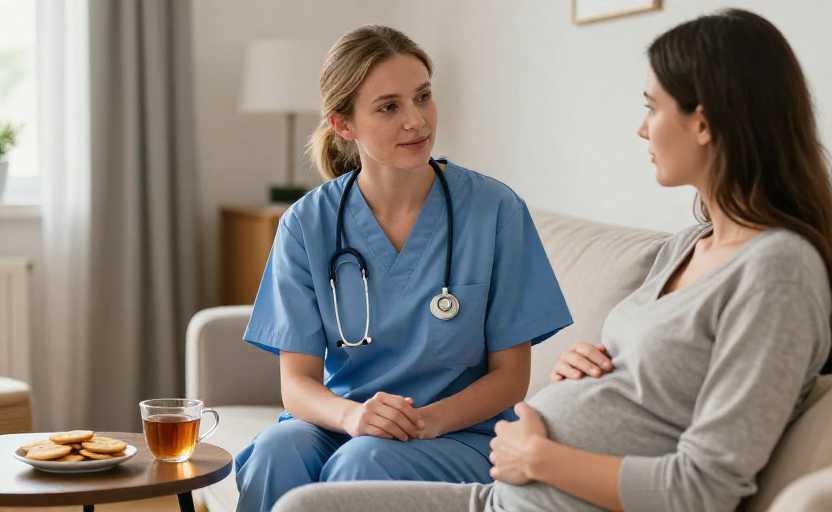
How to tell if you have really entered menopause? Last week I met a 49-year-old aunt who had irregular menstruation for three months. She told her husband that she was menopausal when she had an argument. She came over for a checkup and found that her hormone levels were normal. She was tired of raising her grandson recently. In fact, the standard is very simple: if women over 40 years old have irregular menstruation for more than half a year, accompanied by symptoms of hot flashes, night sweats, and poor sleep, a blood test will be taken to check sex hormones. If the follicle-stimulating hormone (FSH) is >40 U/L twice in a row and the estrogen level drops significantly, the diagnosis can basically be confirmed. If these symptoms appear before the age of 40, it is not called menopause, but premature ovarian insufficiency. Intervention should be made as early as possible without delay.
Having said this, someone must ask, should I take estrogen supplements when I feel uncomfortable? This is also an issue that still has room for discussion in the industry. The mainstream view comes from the guidelines of the Obstetrics and Gynecology Branch of the Chinese Medical Association: For people under 60 years old, within 10 years of menopause, and without contraindications to estrogen supplementation (such as a history of breast cancer/endometrial cancer, active thrombosis, unexplained vaginal bleeding), the benefits of standardized estrogen supplementation outweigh the disadvantages. It can not only quickly relieve discomfort, but also prevent the occurrence of postmenopausal osteoporosis and cardiovascular disease. However, some conservative scholars believe that if the symptoms are relatively mild, with only occasional irritability and hot flashes once or twice, they can be improved through lifestyle adjustments and try to avoid potential risks caused by drug intake. Last year, I treated a 48-year-old high school teacher. He suddenly had hot flashes in the middle of class. He had to run to the corridor to cool down. At first, he was afraid that taking hormone supplements would cause cancer, so he did not dare to take medication. Later, he adjusted his class schedule and arranged all classes in the morning. He went to practice yoga three nights a week and drank a cup of freshly ground soy milk every day. After three months, his symptoms were relieved by 70%, and he finally did not take any medication. You really don’t have to stick to one path, the one that suits you is the best.
Oh, by the way, many people are embarrassed to ask, is it impossible to live a married life after menopause? There is no way to say this. Decreased estrogen will indeed cause the vaginal mucosa to become thinner, reduce secretions, and prone to dryness and pain. However, as long as there are no contraindications, using some topical estrogen ointment or ordinary lubricants will not affect the quality of life at all. There used to be a 55-year-old aunt who slept in a separate room with her husband for half a year when she was 3 years after menopause because of this problem. She thought that this was what she was doing as she got older. Later, she prescribed two topical ointments. She came for a review last month and said that the two of them have a very good relationship now and even go hiking together on weekends. There is really no need to put the shackles on yourself that "you should be abstinent when you get older".
Many people think that the discomfort of menopause is just sweating and losing temper. In fact, there are two hidden health risks that are easily ignored. One is bone loss. In the first five years after menopause, bone mass will be lost by 2% to 5% every year. Many aunts think that back pain is caused by the tiredness of raising children. It is not until they fall and break a bone that they realize that they have osteoporosis. It is recommended to check bone density once a year after menopause, spend 15 minutes in the sun every day, and supplement with vitamin D, which is more effective than any number of health supplements taken. The other is cardiovascular risk. Premenopausal women are protected by estrogen, and the incidence of coronary heart disease is 1/3 lower than that of men of the same age. The incidence rate after menopause will soon be equal, so checking blood pressure, blood lipids, and blood sugar every six months is really not a big deal.
Don't believe those "ovary maintenance" essential oils sold by Wechat merchants, which claim that pressing on the belly can delay menopause. It's purely IQ tax. The ovaries are deep in the pelvic cavity, separated by several layers of belly, fat, and muscles. They cannot be pressed at all, and essential oils cannot penetrate at all. On the contrary, some illegal products secretly add estrogen, and random application will increase the risk of endometrial lesions. It is also said that "menopause means toxins cannot be discharged", which is even more nonsense. Menstruation is the periodic shedding of the endometrium, and there are no "toxins" at all. If you are still bleeding after menopause, you should be alert to whether there is a problem with the endometrium and go to the hospital quickly.
When I go out to the clinic, I always talk to aunts who are going through menopause. Many of them sigh as soon as they come in, saying that they are "old and useless". In fact, it is really unnecessary. Menopause is just like menstruation in adolescence, pregnancy and childbirth. It is a normal stage of life. In adolescence, you will have acne and be irritable. During menopause, you will sweat and have trouble sleeping. These are all signals from your body, telling you to take more care of yourself next. If you really feel uncomfortable, go to the gynecology or menopausal clinic of a regular hospital. Don’t bear it on your own, and don’t frighten yourself by randomly searching for folk remedies on the Internet. Spend this period of time comfortably, and there will still be good days ahead.
Disclaimer:
1. This article is sourced from the Internet. All content represents the author's personal views only and does not reflect the stance of this website. The author shall be solely responsible for the content.
2. Part of the content on this website is compiled from the Internet. This website shall not be liable for any civil disputes, administrative penalties, or other losses arising from improper reprinting or citation.
3. If there is any infringing content or inappropriate material, please contact us to remove it immediately. Contact us at:
