
Hypertension nursing fill-in-the-blank questions
1. my country’s current diagnostic standards for hypertension: Measure upper arm brachial artery blood pressure three times on different days, systolic blood pressure ≥140mmHg and/or diastolic blood pressure ≥90mmHg; If you refer to the American ACC/AHA guidelines, the diagnostic cut-off value is 130/80mmHg. If there are no special instructions in the domestic examination, the Chinese guidelines will be filled in by default.
2. There are five categories of first-line antihypertensive drugs recommended by Chinese guidelines: calcium channel blockers (CCB), angiotensin-converting enzyme inhibitors (ACEI), angiotensin II receptor blockers (ARB), diuretics, and beta-blockers.; Some European and American guidelines have moved beta-blockers out of the first-line catalog and only recommend their use in patients with coronary heart disease and tachyarrhythmia.
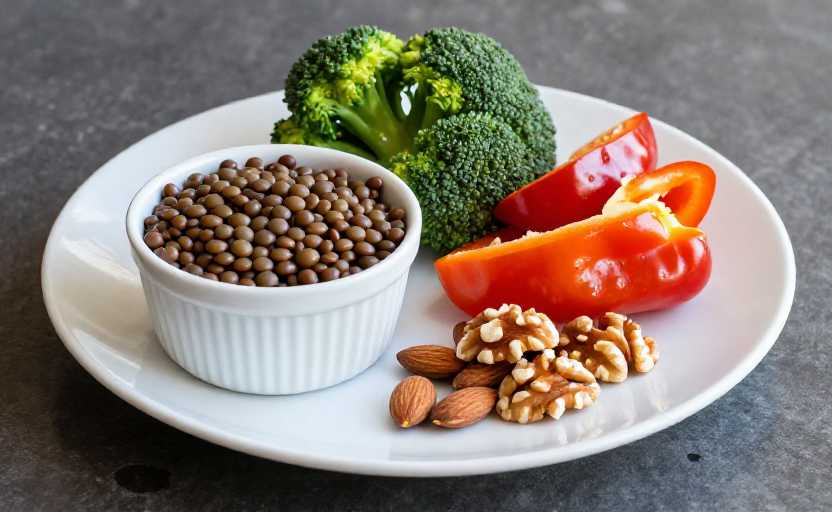
3. Recommended daily sodium intake for patients with hypertension: ≤5g (the revised value of the 2022 version of the Chinese Hypertension Guidelines, the old version was 6g, and the test questions in recent years have used 5g as the standard answer).
4. Rhythm of blood pressure reduction in hypertensive emergencies: within the first hour of onset, the mean arterial pressure should not decrease by more than 25% of the pre-treatment level.; Drops to approximately 160/100mmHg in 2-6 hours ; Gradually decrease to normal levels within 24-48 hours.
5. The target blood pressure lowering value for general hypertensive patients is: <140/90mmHg. For those who tolerate it, it can be lowered to <130/80mmHg.; For elderly patients aged 80 and above, the target systolic blood pressure is <150mmHg, and can be reduced to <140mmHg for those who tolerate it.
These answers sound simple, but when it comes to doing the questions or clinical practice, there are too many people who fall into the trap. Last month, our community nursing station conducted a quarterly assessment. A nurse who had worked for 3 years also filled in the sodium intake as 6g. She said that she memorized 6g when studying. Who would have thought that the guideline has been revised for almost 2 years and the knowledge base has not been updated.
Speaking of the issue of diagnostic standards, a young girl who came to the regulatory training argued with me before, saying that the literature she read stated that high blood pressure was 130/80. Why did we measure the blood pressure of residents at 135/85 and still say it was just too high and not considered high blood pressure? In fact, this is the difference between the guidelines in different regions. The prevention and control of hypertension in our country follows the inclusive route. If we directly follow the 130/80 standard, the number of domestic hypertensive patients will directly double, and primary medical resources cannot support it at all. Therefore, if the exam does not say which country's guide to refer to, fill in according to China's 140/90, and you will definitely be right.
There is another question that some people still get wrong after taking the test eight hundred times: the absolute contraindications for ACEI drugs. The answers are pregnancy, bilateral renal artery stenosis, and hyperkalemia (serum potassium >5.5mmol/L). Last year, our department admitted a patient with gestational hypertension who was 28 weeks pregnant. When the bedside nurse was sorting out the nursing records, she actually classified the benazepril (ACEI) that the patient had taken before as a drug that could be continued. This almost caused a big problem - ACEI will affect fetal development and should not be touched by pregnant hypertensive patients. If you fill in this blank incorrectly, it will not be a loss of points, but a medical accident.
Of course, clinical "fill-in-the-blank" questions are more complicated than exams, so there are no standard answers. I met a 76-year-old man a while ago. His blood pressure is usually around 150/90. Last time he came for a follow-up visit, he said he had been feeling dizzy recently and his blood pressure was only 110/60. It turned out that he heard his neighbor say "the lower the blood pressure, the better" and secretly added half a tablet of antihypertensive medicine. If you fill in the blanks according to the book, 110/60 is normal blood pressure, but for this old man, it is excessive blood pressure reduction, and the dosage needs to be adjusted. At this time, it is wrong for you to fill in "normal blood pressure" in the nursing record. Instead, you must fill in "blood pressure has dropped significantly from the basic value, accompanied by dizziness, indicating excessive blood pressure reduction, and you need to inform the doctor to adjust the medication plan."
Another point that has been hotly debated in academic circles recently is whether all patients with high blood pressure must strictly limit their intake of salt to 5g. Some studies have shown that for hypertensive patients with heart failure and hyponatremia, excessive salt restriction will increase the risk of adverse events. Therefore, clinical practice is not one-size-fits-all. If you encounter a patient with both hypertension and hyponatremia in the case question, you cannot directly fill in 5g in the space for salt restriction. You must write "individualized adjustment of sodium intake and regular monitoring of blood sodium levels."
In fact, to put it bluntly, whether these fill-in-the-blank questions are used for exams or clinical purposes, they are essentially to help you remember the key points of nursing. Don’t just memorize the answers. Think about it based on the clinical situation, and you will never go wrong. By the way, next time you encounter the "recommended duration of exercise for patients with high blood pressure" test, remember to fill in at least 150 minutes of moderate-intensity aerobic exercise per week, and don't fill in the form of strenuous exercise. Last time I met a young man who filled out the form of weight lifting for half an hour three times a week. The director laughed for a long time and said, do you want everyone to develop eight-pack abs or do you want their blood pressure to spike to 180? Haha.
Disclaimer:
1. This article is sourced from the Internet. All content represents the author's personal views only and does not reflect the stance of this website. The author shall be solely responsible for the content.
2. Part of the content on this website is compiled from the Internet. This website shall not be liable for any civil disputes, administrative penalties, or other losses arising from improper reprinting or citation.
3. If there is any infringing content or inappropriate material, please contact us to remove it immediately. Contact us at:
