
What is the golden age for posture correction?
Regarding the golden age for posture correction, there is currently no absolute standard answer in academia and the rehabilitation industry, but it is recognized that the most efficient window for intervention is 6 to 14 years old. In addition, as long as you have not developed irreversible bone lesions, intervention can achieve good results even in adulthood.
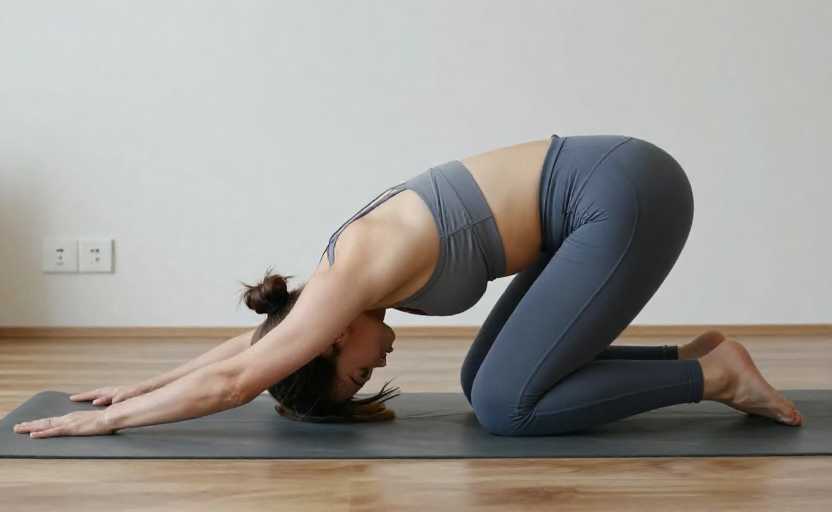
I met a little girl who had just entered the second grade of junior high school in the rehabilitation room two years ago. The old orthopedic doctor who was attending the consultation pinched her spine and said that it was a good thing that she came early, the Cobb angle of the scoliosis was only 12 degrees, and she could go back after three months of adjustment. If the epiphyses were almost closed by the time she reached high school, she might have to wear a hard brace for a year or two. In the summer, her back would be filled with prickly heat. Why is it so troublesome to adjust to this age group? To put it bluntly, for children between the ages of 6 and 14, the epiphyses of the spine have not yet completely ossified, and the surrounding muscles and ligaments are extremely plastic. Most of the undesirable compensations caused by bending the body while doing homework and slumping on the sofa to watch short videos are still in the stage of muscle tension imbalance, and the bones are not injured at all. As long as they change their bad habits and take 10 minutes a day to practice a few movements such as chest expansion and standing against the wall, the recovery speed is astonishingly fast.
Don’t think that if you are over 14 years old, you are sentenced to “postural death”. This is also a common tactic used by many organizations to create anxiety. I also received a 32-year-old middle school teacher last week who stands on the podium all the time with her breasts in her arms. She always felt that her bones were too hard to change in her thirties. As a result, she adjusted her breathing pattern and scapula stabilization training with us for four months. When we took a comparison photo last week, her neck extension dropped from 4 centimeters to 1 centimeter. Even she was shocked. She said that before, she always felt that her shoulders were as heavy as carrying a stone, but now she feels two pounds lighter when walking.
There are actually different schools of thought here: Most traditional orthopedic doctors pay more attention to the nodes of epiphyseal closure. It is generally believed that the best period for skeletal adjustment is before the age of 16 for girls and before the age of 18 for boys. After this stage, established skeletal problems such as severe scoliosis are indeed difficult to reverse with conservative training, and severe cases may even require surgical intervention.; However, most of the younger generation of sports rehabilitation practitioners now believe that 90% of the problems that we ordinary people encounter such as chest holding, neck protrusion, false hip width, and shoulder height and height do not reach the level of bone changes. They are nothing more than muscle compensation and wrong nerve power patterns caused by years of poor posture. Even if you are forty or fifty years old, as long as you can persist in systematic training and adjust the unbalanced muscle tension, the improvement effect will be very obvious. It only takes two or three times more time than a child.
I have seen too many people who go to extremes: Either the parents think that the child is small and walks with slanted shoulders and "it will be better if it grows longer". They wait until the child is 14 or 15 years old and the pain is so painful that he can't sit still. What should have been adjusted in two months has to be postponed until he has to wear a brace for more than half a year. The parents feel sad for the child's suffering.; Or they are young people in their twenties, who read some marketing content about "you can no longer maintain your posture after the age of 12", and immediately break the pot, sit at the office for a long time every day, and only regret it when back pain and cervical pain come to your door.
If we really want to be honest, is there any "golden age" that everyone can agree on? The moment you discover that you have a problem with your posture is the golden period for correction—it’s better than dragging it out until the pain affects your life and then regretting that you didn’t correct it earlier, right? Of course, if you have obvious spinal pain and limited joint movement, don't practice blindly on your own. Go to a regular orthopedic or rehabilitation institution to take a X-ray first to rule out bone lesions before making adjustments. There is no harm in being more prudent.
Disclaimer:
1. This article is sourced from the Internet. All content represents the author's personal views only and does not reflect the stance of this website. The author shall be solely responsible for the content.
2. Part of the content on this website is compiled from the Internet. This website shall not be liable for any civil disputes, administrative penalties, or other losses arising from improper reprinting or citation.
3. If there is any infringing content or inappropriate material, please contact us to remove it immediately. Contact us at:
