
A complete collection of healthy weight loss recipes for teenagers
The core recipe principle for healthy weight loss for teenagers is always to "preserve growth and development first, then control the calorie gap." There is no one-size-fits-all menu for everyone. All recipes must be adjusted according to your school rhythm, exercise habits, and taste preferences. The following is a practical plan based on the nearly a thousand cases I have seen in my 3 years of working on teenagers' weight management. There is no need to memorize complicated formulas, just pick and choose.
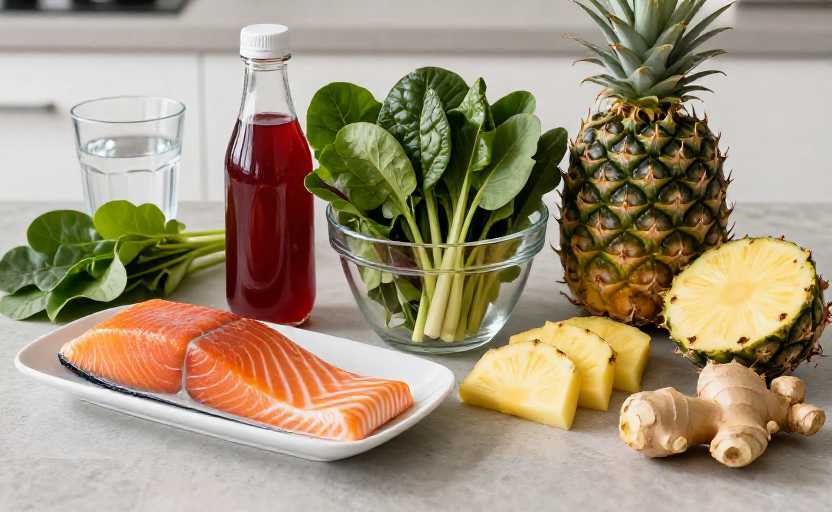
Last year, I met a boy who was a sophomore in high school. He was 175cm tall and 180kg. He only ate boiled vegetables every day in order to lose weight. He fainted at the gymnasium for half a month. His physical examination also revealed a calcium deficiency. He just didn’t understand the difference between losing weight as a teenager and as an adult - you are still growing bones and muscles, and you must not miss any one of them, carbohydrates, protein and fat. The so-called "cutting out carbs" and "cutting out oil and salt" are all pitfalls, don't touch them. If you are not sure whether you want to lose weight, go to the growth and development department of the hospital to get your BMI measured first. Don’t make blind judgments based on online tables. Some children actually just have large skeletons and high muscle mass and do not need to lose weight at all. Losing weight will affect their growth.
Currently, there are two mainstream dietary ideas in the industry for adolescents to lose weight. No one is right or wrong, just choose the one that suits you. One is the traditional balanced diet pie, which is to slightly adjust the calories on the basis of the residents' dietary pagoda, so that you can slowly lose weight without going hungry.
For example, if you are a day student who is in a hurry in the morning, you don’t need to make any fancy presentation. A cup of full-fat pure milk + 1 boiled egg + 1 fist-sized corn/sweet potato is enough. If you like to eat steamed buns, you can choose 1 vegetable bun + 1 meat bun. No problem at all, but you have to avoid custard buns and quicksand buns that have a lot of sugar added. If paired with sweetened soy milk, they have higher calories than hamburgers. They often make them hungry before the third period. Instead, they are more likely to secretly buy puffed food from the canteen.
It's easier to make a meal in the school cafeteria at noon. First scoop a fistful of white rice/multiple grain rice. Don't listen to the online scammers who say you don't eat rice. You have to attend four classes in the afternoon and have to study papers. Without carbohydrates, your brain can't work at all. Losing grades will be more than losing two pounds. Then pack two and a half fistfuls of green leafy vegetables, including lettuce, spinach, and broccoli. If the food in the cafeteria is too oily, just take a bowl of free soup and rinse it twice. It’s not a pretentious thing. Eating excess trans fatty acids is really not good. Finally, add a palm-sized piece of lean meat/fish or shrimp, skinless chicken legs, steamed fish, or stir-fried beef. Are you craving for fried chicken? It's perfectly fine to eat it once a week, as long as you don't touch other fried foods that day. If you completely avoid fried foods, it will be easy to save the energy to eat a lot at once, which will make you prone to overeating.
If you are hungry on the way home from school, don’t grab a large bag of potato chips that cost 5 yuan to chew. Grab a small apple or a handful of plain nuts. You can also buy unsweetened roasted sweet potatoes at the school gate to cushion your stomach. Otherwise, you can eat three bowls of rice when you get home very hungry, and you will make up for all the calories you controlled earlier. You can eat half a portion less carbohydrates for dinner than for lunch. Don’t reduce it if you have evening self-study. Otherwise, you will be confused when doing homework, and you will easily be tempted to make a bucket of instant noodles with intestines. The calories will exceed the standard.
The other is the flexible calorie control pie recommended by many young nutritionists. It is more suitable for children who don’t like to count portions and can’t control their mouths. There is no need to deliberately go hungry. Just make three substitutions: replace sweet drinks such as sugary cola and fruity oranges with mineral water, Sugar tea or pure milk, replace the commonly eaten puffed foods, candied fruits, and fruit peels with plain nuts, fresh fruits, and sugar-free yogurt, and replace 1/3 of the polished rice and white noodles you eat every day. For example, mix white rice with brown rice and oats, or occasionally use sweet potatoes and corn instead of rice. There’s no need to count calories, even if you feel like you’re eating about the same as before, your weight will slowly fall off. Last year, a girl in the third grade of junior high school used this method. She lost 12 pounds in half a year without dieting or doing a lot of extra exercise. She also got full marks in the physical education exam without delaying her review at all.
Regarding the question of whether meal replacements can be eaten, there are now differences in the industry. Nutritionists of the older generation believe that the gastrointestinal tract of teenagers is still developing, and the nutritional structure of meal replacements is not comprehensive enough. It is best not to touch it at all.; The view of the younger group is that if you are really in a hurry, such as studying early and getting up late, it is much better to grab a regular meal replacement bar that meets the national standards, has a protein content of more than 20%, and has 0 added sugar, than eating on an empty stomach all morning or eating fried hand cakes from a roadside stall. My personal experience is that meal replacement can only be used as an emergency option. You can only eat it two or three times a week, not every meal. The active nutrients in fresh meals cannot be compared to industrial meal replacements.
There are a few pitfalls that I must remind you at the top of my lungs: Don’t touch any slimming tea or slimming pills, even the Internet celebrity models that claim to be “purely natural” and “no side effects.” Your liver and kidney functions are not yet fully developed. Drinking them can cause diarrhea, electrolyte imbalance, or liver and kidney damage. The gain outweighs the gain. Also, don’t diet blindly. The total amount you eat every day should not be more than 1/3 less than your normal amount of food before. If you experience hair loss, postponement of a girl’s aunt, or inability to concentrate in class, increase your amount of food immediately and don’t force yourself to do so. Losing weight for teenagers is inherently slow. Losing 2-4 pounds a month is the healthiest speed. Losing weight too fast will definitely cause problems.
Oh, by the way, you don’t have to make meals look like you’re meeting KPIs. It’s perfectly fine to go out with your classmates for hot pot or a cup of full-sugar milk tea on weekends, as long as you don’t eat them every day. I have seen too many children who are afraid to go out to eat with their classmates because of weight loss, which affects their social life. It is completely unnecessary. Friends, the purpose of losing weight is to be more comfortable and happy, not to put a shackles on yourself, right?
Disclaimer:
1. This article is sourced from the Internet. All content represents the author's personal views only and does not reflect the stance of this website. The author shall be solely responsible for the content.
2. Part of the content on this website is compiled from the Internet. This website shall not be liable for any civil disputes, administrative penalties, or other losses arising from improper reprinting or citation.
3. If there is any infringing content or inappropriate material, please contact us to remove it immediately. Contact us at:
