
Nutritional brain nerves for the elderly enhance memory
For the vast majority of elderly people who do not have pathological cognitive impairment, as long as they combine daily precise nutrition and moderate brain function stimulation, they can completely delay the degeneration of brain nerves and maintain or even improve their memory. There is no need to blindly pursue high-priced brain supplements.
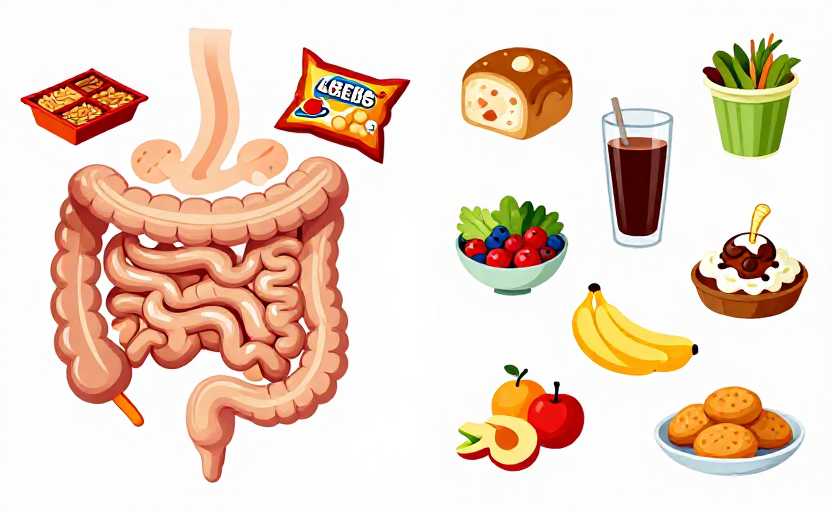
In the five years I have been doing community nutrition intervention, I have met too many elderly people who ask if there are any special brain-tonifying medicines. The one who impressed me the most is the 62-year-old Aunt Zhang. When she first retired, she always forgot to bring her pick-up card when picking up her grandson. She would add salt twice or forget to add it when cooking. She secretly bought an oral liquid for brain-tonifying worth nearly 3,000 yuan and drank it for three months. She could still lock the key at home when she turned around. After following our intervention plan for less than four months, I can now not only accurately remember the taboos of the whole family, but also memorize half of the book "Three Hundred Tang Poems". Last week, I also took the initiative to sign up for a calligraphy class at a community college for the elderly.
Nowadays, there are actually two extreme opinions about brain supplementation in the elderly. One group says that "it is natural that people have poor memory as they get older, and supplements are useless." The other group says that "taking some neuronutrients can restore the memory of youth." In fact, both opinions are a bit extreme. The former is indeed based on objective physiological laws: our brain nerve cells begin to gradually undergo apoptosis after the age of 20, and have no regeneration ability. After entering old age, the shrinkage of the hippocampus, which is responsible for memory storage, is a normal aging process. It is really unrealistic to expect that eating something can reverse growth. However, a long-term follow-up study published in the "Journal of Alzheimer's Disease" in 2023 also confirmed that as long as nutritional intervention is precise and lifestyle is adapted, 40% of age-related cognitive decline can be delayed or even reversed. There is no need to lie down and give up early.
During a previous follow-up with Dr. Shinuchi, we found that the annual shrinkage rate of the hippocampus was about 30% slower for those who ate deep-sea fish twice a week, about the size of a palm each time, than those who did not eat deep-sea fish at all. To put it bluntly, when Omega-3 polyunsaturated fatty acids replenish the "protective membrane" of nerve cells enough, the speed of signal transmission will naturally not drop too fast. Don’t listen to the scammers who insist on buying imported fish oil that costs hundreds of dollars. If you can eat fresh saury, mackerel, and salmon, the effect will be much better than capsule supplements. If you really can’t eat fish, just choose fish oil with a purity of more than 85%. Those that cost tens of dollars and a hundred capsules are basically saturated fat, which is useless and may raise blood lipids.
In addition to Omega3, which everyone has heard a lot about, there is another type of nutrition that is often ignored, which is B vitamins, especially folic acid, B6 and B12. There used to be a 70-year-old man whose memory was so bad that he occasionally couldn't find his home when he went downstairs. During a blood test, he found that his homocysteine level had soared to 28, which was more than three times higher than the normal value. Later, he supplemented 1.2 mg of folic acid and 10 μg of B12 every day. After three months, the index dropped to 9. Not to mention that his memory returned to his youth, at least he could accurately remember the floor of his home and the mobile phone numbers of his children. Here we have to talk about different viewpoints: some doctors now recommend that the elderly regularly supplement small doses of B-complex, while some think that only those with excessive homocysteine need supplementation. Everyone can make the decision based on their own physical examination report, and there is no need to follow the trend or be completely contradictory.
As an aside, the poor memory of many elderly people is not actually a problem with their brains, but a problem with poor sleep. If you don’t sleep less than 5 hours a day for a week, all nutrition will be in vain, so don’t watch short videos for too long before going to bed. Soak your feet and drink a cup of warm milk. After sleeping, your brain will naturally be refreshed.
Another pitfall that everyone easily falls into is those hotly-hyped “memory pills,” such as phosphatidylserine, ginkgo leaf extract, and brain peptides. This is not to say that they are completely useless, but the cost-effectiveness is extremely low for healthy elderly people without cognitive impairment. If you spend hundreds of dollars to buy a box, you might as well eat two more egg yolks a week and go out and dance two more square dances with your old sisters. Of course, if you have been diagnosed with mild cognitive impairment, you must follow the doctor's advice. Don't buy it on your own and don't insist on not eating it.
I often tell the elderly people who come for consultation that nourishing brain nerves is actually the same as raising flowers at home. You just watering them with nutrient solution is useless. You have to give them sunshine and frequent ventilation. The same goes for the brain. Spend 20 minutes a day to learn something new, whether it is learning new square dance moves, learning a few sentences in English with your grandson, or even studying how to shoot short videos with your mobile phone. It can stimulate the new growth of nerve synapses, and it is more effective than any number of brain supplements you take.
In fact, poor memory in old age is not a scourge, and it is not completely helpless. Don’t just listen to what others say, and don’t just buy a bunch of health care products and pile them up at home. Only the ones that suit you are best. If you are really unsure, go to the nutrition department or neurology department of the hospital for a simple cognitive assessment, which is more reliable than any folk prescription.
Disclaimer:
1. This article is sourced from the Internet. All content represents the author's personal views only and does not reflect the stance of this website. The author shall be solely responsible for the content.
2. Part of the content on this website is compiled from the Internet. This website shall not be liable for any civil disputes, administrative penalties, or other losses arising from improper reprinting or citation.
3. If there is any infringing content or inappropriate material, please contact us to remove it immediately. Contact us at:
