Male hormone health risk warning analysis report
[Core conclusion] The clinical detection rate of late-onset hypogonadism (LOH, commonly known as "low testosterone") in domestic men aged 30-55 has reached 27.3%, of which 83% will experience fatigue and increased body fat caused by decreased testosterone. Signs such as loss of sexual desire and irritability are misjudged as "normal manifestations of aging." After delayed intervention, the risk of type 2 diabetes, osteoporosis, and cardiovascular events will be 2.1-3.8 times higher than that of people with normal testosterone levels.
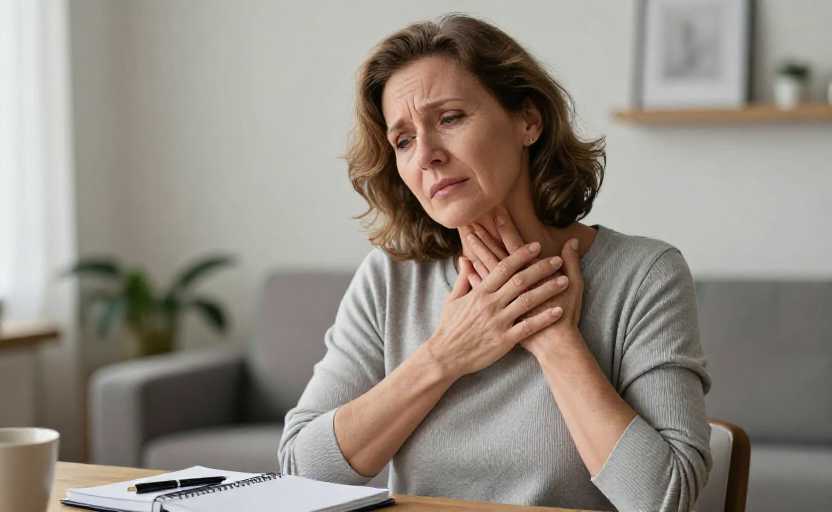
Last month, a 42-year-old product director from a major Internet company came to my clinic. He was dressed very smartly. When he sat down, his first sentence was, "Doctor, am I going to die soon?" He said that in the past three years, his weight increased from 140 pounds to 192 pounds. He had to rest for breath twice when climbing the third floor. He could not have an intimate life with his lover once a month. He suffered from insomnia and irritability every day. Last time, because his subordinates changed the plan three times and it was still wrong, he threw a cup in the conference room. He regretted it afterwards, but he couldn't control his temper. I always thought it was because of overtime work. I signed up for a fitness card but didn’t have the energy to go. The kidney-tonifying health supplements I had been taking for more than half a year were of no use at all. Six items of sex hormones were checked and the total testosterone was only 8.3nmol/L, which is less than half of the lower limit of the normal reference value for adult men.
Speaking of this, I have to mention that there is a big disagreement in the academic circles about testosterone intervention. The mainstream view of traditional endocrinology is that exogenous testosterone supplementation therapy needs to be initiated only when total testosterone is consistently lower than 8 nmol/L and is accompanied by obvious clinical symptoms. The reason is that improper supplementation will inhibit the function of the hypothalamic-pituitary-gonadal axis, seriously affect sperm production, and increase the risk of prostate cancer. This standard has been used for decades, and the safety is indeed supported by sufficient clinical data. However, many researchers in the field of sports medicine and functional medicine have put forward different views in the past few years: they believe that clinical reference values are "bottom values" calculated based on large sample statistics, not "health values". If a man's testosterone peak is 28nmol/L at the age of 30, and only 13nmol/L is left at the age of 40, even if it is still stuck on the reference value passing line of 12nmol/L, as long as relevant symptoms of discomfort have already appeared, early intervention should be carried out, and there is no need to wait for it to fall below the threshold before dealing with it.
I have been practicing male endocrinology for 12 years. In fact, I prefer the judgment standard of "symptoms take precedence over numerical values". Of course, the premise is that basic diseases of the prostate and liver must be ruled out first. I met a 38-year-old university teacher a while ago. His testosterone was found to be 12.8nmol/L, just above the reference value line. However, he was very groggy and exhausted after two hours of preparing for lessons. After adjusting his lifestyle for three months and adding zinc and selenium nutritional supplements, his testosterone rose to 17.6nmol/L. His overall mental state was completely different. Even his lover said that his temper had improved a lot recently.
Really, many people misunderstand testosterone too deeply. Either they think this is a problem only for middle-aged and elderly people, or they equate it with the stimulants used by athletes. Some people think that taking supplements can instantly turn them back into 20-year-old boys. This is all prejudice. Last week, a 26-year-old fitness blogger came to me and said that he had been practicing for three years. In the past six months, he had lost muscle quickly, and his body fat was still increasing. He could not train anymore. His testosterone was only 9nmol/L. When I asked him, I found out that in order to get the effect, he secretly took an internet celebrity's testicle-stimulating supplement for half a year, and also took several anabolic injections, which suppressed his own testosterone secretion. There are also many young men who stay up late playing games every day and have milk tea in their hands. Their body fat rate exceeds 30%. Aromatase in fat converts testosterone into estrogen. This is the reason why many fat young men have developed breasts and lack beards. It is really not surprising that the testosterone of a 20-year-old is lower than that of a normal person in his 40s.
You don’t have to look at the online comparison chart to check whether you have any problems, just feel your own state: if you have been unable to sleep for more than 3 months in a row, you can’t get excited about things you were interested in before, the frequency of morning erections has been significantly reduced, and the fat on your belly is No matter how much weight you lose, you can't lose weight, and you even get irritable and want to lose your temper at every turn. Don't label yourself as a "midlife crisis" or "anxiety disorder" first. Go get a blood test to check for six items of sex hormones. A few dozen dollars is much more useful than a random purchase of kidney-tonifying medicine worth thousands of dollars.
As for the intervention plan, there is no standard answer, only the one that suits you. If it is only a mild decline and the symptoms are not obvious, there is no need to take medicine at all. Just three things: strength training at least 2 times a week, giving priority to leg training. The testosterone improvement effect is much better than upper limb training. ; Don't stay up late. Go to bed before 11 o'clock. Deep sleep is the peak period of testosterone secretion. If you stay up until 3 o'clock every day, no matter how much you supplement, it will be useless. ; If you lower your body fat rate to less than 25% and reduce your beer belly, your testosterone will naturally increase by about 30%. I have a 45-year-old patient whose body fat dropped from 32% to 22%, and his testosterone rose from 11nmol/L to 17nmol/L without taking any medicine. If the symptoms are obvious and the value is low, don’t resist exogenous supplementation. Today’s testosterone undecanoate soft capsules are very safe. As long as you use them under the guidance of a doctor and regularly review your prostate-specific antigen (PSA) and liver function, there will be no major problems. Just don’t buy injections from the black market. The dosage is not accurate, and I have seen too many accidents.
To be honest, men are really too rough on their health. They either take it hard or make supplements randomly. Testosterone is not a scourge, nor is it a miracle drug that rejuvenates youth. It is just a barometer of your physical condition - just like the battery level of a mobile phone, you can't wait until it automatically shuts down before you remember to charge it, right? Paying more attention at ordinary times is better than anything else.
Disclaimer:
1. This article is sourced from the Internet. All content represents the author's personal views only and does not reflect the stance of this website. The author shall be solely responsible for the content.
2. Part of the content on this website is compiled from the Internet. This website shall not be liable for any civil disputes, administrative penalties, or other losses arising from improper reprinting or citation.
3. If there is any infringing content or inappropriate material, please contact us to remove it immediately. Contact us at: