
Purpose of disease screening
The core purpose of disease screening has never been to "detect how many diseases", but to find hidden high-risk individuals and early patients before healthy people show any symptoms, and to block the progression of the disease at the lowest cost, ultimately reducing the severe disease rate and mortality rate of the entire group, while reducing unnecessary expenditures on individuals and the public medical system.
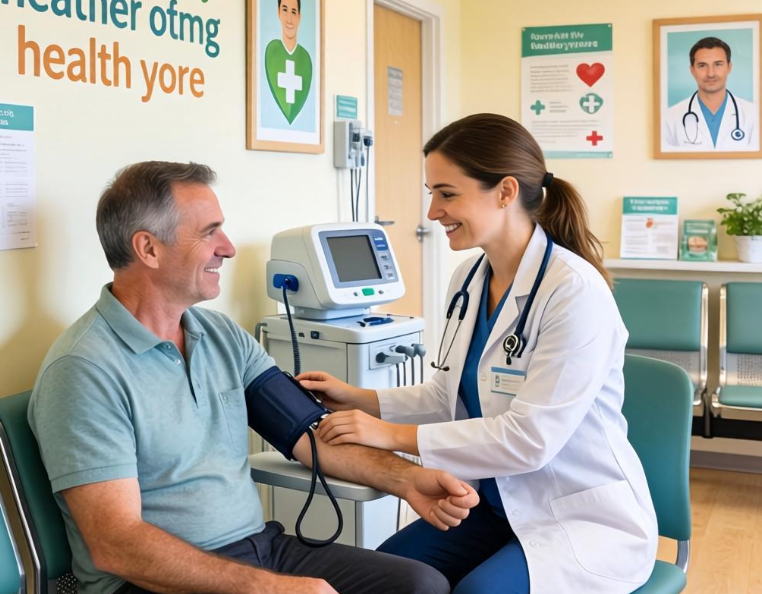
Let me tell you a real story that I encountered while helping out at a community public health station two years ago. Aunt Zhang, 52, usually danced in the square and carried 20 kilograms of vegetables to the third floor without gasping for breath. We came to her door three times to get free two-cancer screening. As a result, the cervical scraping test showed high-grade intraepithelial neoplasia, which is the last step of cervical precancerous lesions. After another year or two, there is a high probability that she will develop into invasive cancer. Later, she solved the problem by performing a minor surgery with a sharp knife in the outpatient clinic. The total cost was less than 1,000 yuan, and she only paid more than 100 yuan after being reimbursed by medical insurance. If we really wait until the symptoms of bleeding and pain appear before checking, then we will have to have a hysterectomy, radiotherapy and chemotherapy, at least hundreds of thousands of dollars spent, and the person will suffer a serious crime.
In fact, this is the simplest meaning of screening. To put it bluntly, it is the same as the annual inspection of the car: it is not to wait for the car to break down in the middle of the road before thinking of repairing it, but to check in advance whether the brake pads are worn and whether the oil line is blocked. Small problems can be solved for dozens of yuan, but if it breaks down on the highway, it will be fatal.
Speaking of this, I have to mention the ongoing debate in the public health field in recent years. After all, screening is not completely beneficial and harmless. From the perspective of the "wide coverage early screening" school, as long as the benefits of screening far outweigh the costs, it should be promoted to all age groups as much as possible. For example, the two-cancer screening for rural women and the free annual physical examination for people over 65 years old are now popular across the country. It is calculated: the per capita screening cost is tens to more than 100, which can avoid hundreds of thousands of subsequent late-stage severe treatment expenses. It is a sure-profit deal for both individuals and medical insurance funds.
But the views of the "precision screening" school on the other side are also very reasonable: blind screening regardless of population groups will lead to the problem of over-medical treatment. I met a young girl who had just graduated before and went for a physical examination before. She spent more than 3,000 yuan to add a full-cancer marker package after being lied to by a salesperson. The result was that the pepsinogen was slightly low. She cried in fear all afternoon. She ran for a painless gastroscopy and found out what was wrong. Finally, when the doctor asked, she found out that the trouble was caused by staying up late and eating butter hot pot the day before. A more typical controversy is prostate-specific antigen (PSA) screening: some studies have shown that routine PSA screening for all men over 50 years old can reduce prostate cancer mortality by about 20%. However, the data from the other side are also very worrying - at least 30% of screened prostate cancers are "indolent cancers" that develop extremely slowly and will not show symptoms until the patient dies. Instead, because of the screening, many people have to undergo puncture and surgery after surgery, and many people suffer from urinary incontinence and sexual dysfunction after surgery, and their quality of life has been greatly reduced.
When I chatted with Dr. Li in the community before, she also said that now they no longer adopt a "one size fits all" approach to screening, but first calculate the risk for the residents: For those who smoke all year round and have a family history of lung cancer, it is cost-effective to take a low-dose lung CT every year after the age of 50; for a girl in her early 20s with no family history, it is a scam to advise her to have a lung CT every year. The harm of radiation is greater than the possible diseases.
Of course, we can’t overdo it. In the past two months, we had an old man here. He saw a short video saying that PSA screening was useless. He even refused to go to the free elderly physical examination in the community. Finally, he had back pain and went to the hospital for a checkup. The prostate cancer had metastasized to the bone. By then it was too late to say anything.
In fact, to put it bluntly, when it comes to screening, the more comprehensive the better, the more expensive the better, only the one that suits you is useful. Its purpose is simple from beginning to end: it is not to make everyone panic with a bunch of abnormal inspection reports, but to try to prevent serious illnesses before they come to their doorsteps at the minimum cost, so that ordinary people can suffer less, spend less money, and live a good life.
Disclaimer:
1. This article is sourced from the Internet. All content represents the author's personal views only and does not reflect the stance of this website. The author shall be solely responsible for the content.
2. Part of the content on this website is compiled from the Internet. This website shall not be liable for any civil disputes, administrative penalties, or other losses arising from improper reprinting or citation.
3. If there is any infringing content or inappropriate material, please contact us to remove it immediately. Contact us at:
