
Foods that relieve depression
There is no specific food that can directly "treat depression", but maintaining a balanced diet for a long time and giving priority to foods with high nutrient density can be used as an auxiliary means of clinical intervention to effectively improve mood states and reduce the risk of depressive episodes.
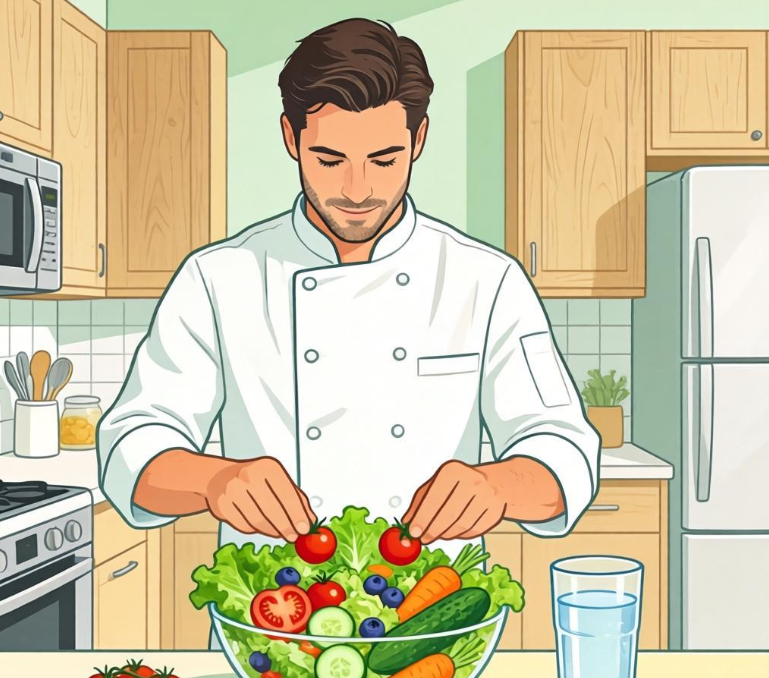
To be honest, when I was a volunteer in a nutritional intervention group affiliated with a psychiatric department, I met too many people who came with the expectation of "getting better just by eating something." I was particularly impressed by a little girl who was a sophomore. She was diagnosed with moderate depression for three months. She took medication with severe side effects. She always felt groggy and unmotivated, and even her favorite hot pot tasted tasteless. We didn't ask her to buy any expensive supplements. We just asked her to change her morning milk tea to sugar-free yogurt with a spoonful of chia seeds, eat steamed fish twice a week, change her staple food from pure white rice to half brown rice and half white rice, and eat an extra plate of dark green leafy vegetables every day. More than three months later, she came back for a follow-up visit, and her depression scale score dropped by almost 20 points. She said that the most obvious feeling was that when she woke up in the morning, she no longer felt like there was a piece of water-soaked cotton pressed on her chest, and she could now listen to the jokes told by her roommate.
Don’t think this is some metaphysics, it’s all supported by research. For example, Omega-3 polyunsaturated fatty acids, which everyone has heard about most, can help regulate the secretion of neurotransmitters, reduce the inflammatory response in the brain, and are indeed helpful in improving low mood. However, it should be mentioned here that there is still controversy about the role of Omega-3 supplements in the academic community: some cohort studies have shown that taking more than 1g of EPA supplements per day can help improve depression symptoms, but there are also clinical controlled experiments that have found that the effect of taking supplements alone is no different from a placebo. On the contrary, Omega-3 naturally taken from foods such as deep-sea fish, chia seeds, and flax seeds has higher absorption efficiency and does not have the gastrointestinal burden that supplements may bring. Oh, by the way, someone asked me before if eating bananas makes me happy. In fact, the tryptophan in bananas can indeed help synthesize serotonin that regulates mood, but you have to eat a whole banana to be effective. Usually, eating one or two bananas is just to supplement some potassium. Don't expect it to save your bad mood.
Many people have heard the saying "eating sweets can make you happy", right? You must have had this experience: at three o'clock in the afternoon, you are so sleepy that you can't keep your eyes open. You eat a cheesecake or drink a cup of full-sugar milk tea. At that time, you really feel that your whole person has come to life, but half an hour later, you start to feel dizzy, irritated by everything, and you can't help but want to lose your temper. This is why academic circles generally do not recommend relying on refined sugar to relieve mood: the surge in serotonin caused by raising blood sugar too quickly is only temporary, and subsequent sudden drops in blood sugar will aggravate mood swings. Long-term high-sugar diets may even increase the risk of depression. However, there are different voices. Some clinical psychologists will suggest that patients in the period of depression do not need to deliberately give up sugar. If a bite of sweetness can make you willing to get up and eat a meal, then the price of this sugar is completely acceptable. After all, being able to eat normally is more important than anything else.
There is also research related to the brain-gut axis that has become particularly popular in recent years. It is said that the intestine is a person's "second brain" and the state of intestinal flora will directly affect mood. Corresponding to the role of fermented foods, such as sugar-free yogurt, kimchi, and natto, the probiotics in them can help regulate intestinal flora. Many people have reported that if they continue to eat them for a period of time, they will feel much less inexplicable irritability. However, it must be made clear here that research in this field is still in the advanced stage. There is currently no conclusive conclusion that specific probiotic strains can treat depression. Don’t listen to those famous Internet bloggers who boast that they spend thousands to buy imported probiotics. They usually eat a few pieces of fermented bean curd with meals and drink a small cup of sugar-free yogurt before going to bed. The effect is not much different. Oh, yes, there is also an interesting controversial point: traditional nutrition recommends eating more whole grains to supplement B vitamins and help regulate nervous system function. However, functional medicine practitioners will remind that if you have gluten intolerance, whole grains will aggravate the body's chronic inflammation and drag down your mood. Therefore, there is no standard answer to whether you should eat whole grains. If you feel comfortable after eating it, then it is suitable for you.
When I am usually stressed out and depressed for several days, I don’t deliberately look for any “healing food.” I just grab an extra handful of spinach when cooking, or fry two pieces of saury. Don’t check your phone when eating, and taste the food carefully. To be honest, the healing effect brought by food in many cases is not just the effect of nutrients. If you are willing to spend ten minutes to cook yourself a bowl of hot noodle soup with fried eggs, instead of just nibbling on a piece of cold bread, the very act of "treating yourself well" is already helping you to recover from your sinking mood.
Finally, I have to say one more thing: Food is only a supplementary tool. If you have been unable to get motivated and have no interest in anything for more than two weeks, you must go to a regular hospital for treatment as soon as possible, follow the doctor's instructions to take medicine, and get psychological counseling. Don't just rely on food to solve the problem. It is really useless.
Disclaimer:
1. This article is sourced from the Internet. All content represents the author's personal views only and does not reflect the stance of this website. The author shall be solely responsible for the content.
2. Part of the content on this website is compiled from the Internet. This website shall not be liable for any civil disputes, administrative penalties, or other losses arising from improper reprinting or citation.
3. If there is any infringing content or inappropriate material, please contact us to remove it immediately. Contact us at:
