
Elderly people should resist the temptation of sweet snacks
Eating too much sweets will not only increase the burden on pancreatic islet cells and easily induce diabetes, but also elderly Physical exertion is reduced, and pancreatic function is reduced, so sugar metabolism is slower. Eating too much sweetness will promote the liver to synthesize lipids, thereby accelerating vascular sclerosis. Sugar ingested into the body can be converted into neutral fat, which can also promote cholesterolemia and easily lead to obesity and arteriosclerosis. At the same time, too much sugar can also consume a large amount of vitamin B in the human body, causing hyperacidity and indigestion.
Snacks are concentrated during the Chinese New Year, and sweets account for a large proportion. The elderly must resist the temptation of "sweetness" when eating snacks, and they must eat snacks scientifically.
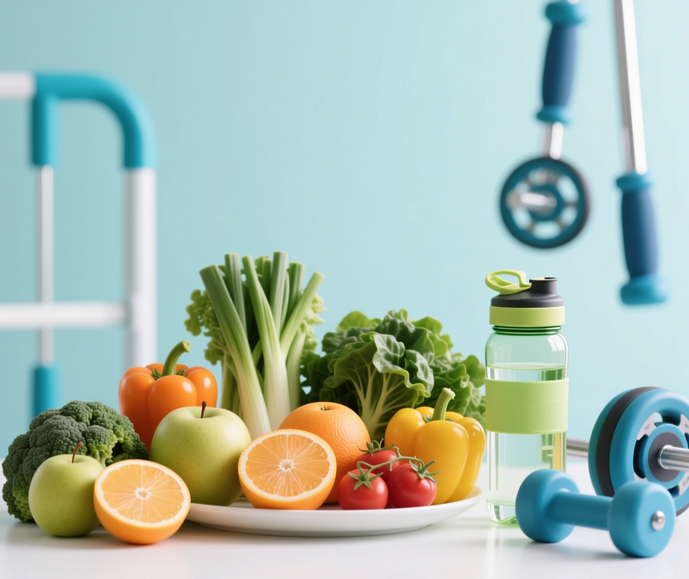
For the elderly, they should have a snack at about 10 a.m. 2 to 3 hours after breakfast. You can choose fresh fruits such as apples, bananas, oranges, kiwis, and watermelons with high vitamin content. Take a break after lunch, and it is a good choice to have some seed snacks around 3 p.m., such as sunflower seeds, peanuts, walnut kernels, pine nuts, etc.
Disclaimer:
1. This article is sourced from the Internet. All content represents the author's personal views only and does not reflect the stance of this website. The author shall be solely responsible for the content.
2. Part of the content on this website is compiled from the Internet. This website shall not be liable for any civil disputes, administrative penalties, or other losses arising from improper reprinting or citation.
3. If there is any infringing content or inappropriate material, please contact us to remove it immediately. Contact us at:
