
Elderly people should pay attention to three points when exercising in spring
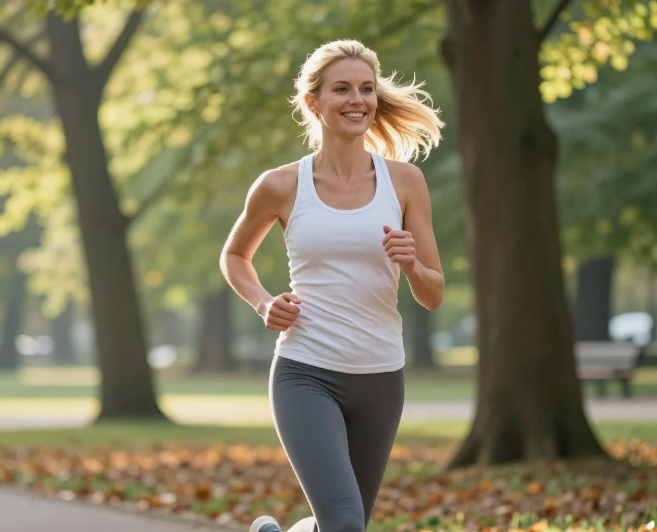
According to surveys, our country has entered an aging society by the end of 1999, with people over 60 years old elderly Accounting for more than 10% of the country's total population, facing the increasingly large number of elderly people, how to ensure that they can have a good quality of life in their later years has become an urgent problem that needs to be solved before people. And sports exercise It is undoubtedly one of the levers to adjust the quality of life of the elderly, which not only enriches their amateur cultural life, but also enhances their physical fitness. However, there are also frequent cases of physical exercise causing injuries or even death to the elderly. In the early spring in our Northeastern region, when the weather turns warm and cold, what should the elderly pay attention to during daily physical exercise?
When the elderly engage in physical exercise in spring, they should pay attention to the following aspects:
Pay attention to keeping warm and cold in spring to prevent emergencies disease
Medical scientist Sun Simiao once said, "You should not wear thin clothes in spring." The climate in spring is changeable, the temperature rises, a large number of pathogenic bacteria begin to breed, and the temperature difference between morning and evening is large. As the age increases, the physiological functions of the elderly are gradually declining, and their ability to adapt to climate change is poor. At this time, deliberate "spring cover" is particularly important. During exercise, the elderly should wear clothing that is as loose and light as possible, close to the body and warm. Clothing can be added or removed at any time according to their own body constitution and temperature differences. After exercise, when you are sweating profusely, do not cool down in the air outlet. You should dry the sweat immediately with a soft towel, dress in time to keep out the cold, then walk slowly for one to two hundred meters and rest for a while to prevent physical discomfort caused by resting immediately after exercise. At the same time, spring is also the season with high incidence of cardiovascular and cerebrovascular diseases. During exercise, special attention should be paid to preventing cerebral hemorrhage. Do not do strenuous exercise, do not squat or rise suddenly, and always be careful to prevent slipping under your feet to avoid sudden falls.
Choose the right time and place for exercise
Elderly people living in urban areas should avoid exercising in the morning. It is recommended that the exercise time be after 9 a.m., because between 5 and 7 a.m., there are a lot of pollutants such as car exhaust particles and smoke particles floating in the air, which will put a burden on the cardiopulmonary function of the elderly during exercise. If you really need to get up early in the morning to exercise, it is recommended that you try to choose a place with a beautiful environment and less smoke and dust. In addition, the elderly should not exercise in too remote places. They should choose a place close to home and with good communication and transportation conditions so that they can seek help or call the police in time in case of emergencies.
Physical exercise must be done scientifically
Participate in more exercises to enhance cardiopulmonary function, such as Tai Chi, group dance (exercise), Yangko twisting, walking and other projects. Among them, walking is the first choice, especially for the elderly over 70 years old. It is recommended to walk for half an hour every day. No matter which exercise you choose, the range and amount of exercise can be adjusted by yourself. Each exercise should last for 30 to 60 minutes. Pay attention to gradual progress. Before exercising, you should carry out preparatory activities for about 10 minutes to avoid muscle damage caused by exercise. Exercise must be planned and measured, and must not be rushed. Depending on your individual physique, choose to increase or decrease the amount of exercise. After exercising, do 5 to 10 minutes of tidying up activities or self-massage to prevent muscle stiffness.
Based on the above suggestions, when the elderly participate in physical exercise, they should take protection according to their physical condition to avoid unnecessary injuries caused by exercise. In daily life, they should also strengthen their understanding of their own related diseases, actively treat existing diseases, enhance their awareness of self-prevention, and achieve early prevention in the absence of disease and early treatment in case of disease.
Disclaimer:
1. This article is sourced from the Internet. All content represents the author's personal views only and does not reflect the stance of this website. The author shall be solely responsible for the content.
2. Part of the content on this website is compiled from the Internet. This website shall not be liable for any civil disputes, administrative penalties, or other losses arising from improper reprinting or citation.
3. If there is any infringing content or inappropriate material, please contact us to remove it immediately. Contact us at:
