
Dietary taboos include
Pathological taboos based on modern evidence-based medicine, constitutional taboos based on individualized judgments of traditional medicine, and social taboos based on different cultural backgrounds. The application scenarios and reference priorities of the three types of taboos are completely different, and there is no universal "standard answer."
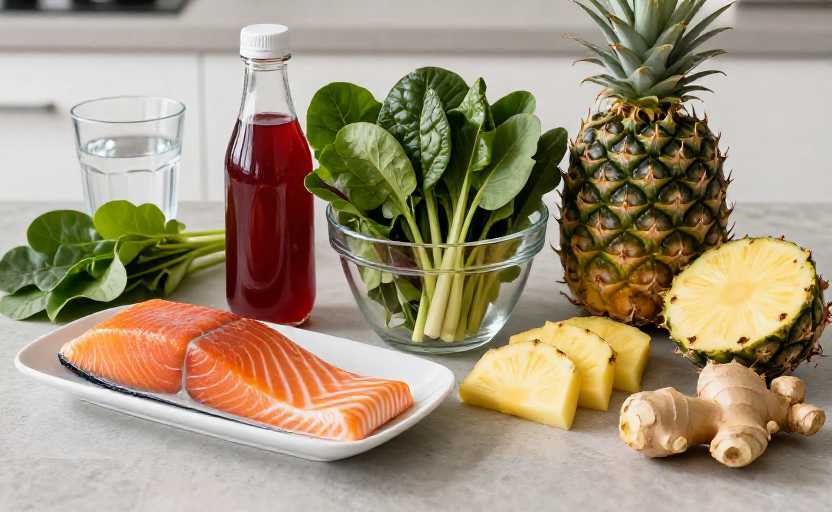
Let’s start with the pathological taboos that are the least controversial and have the highest priority. To put it bluntly, they are the red line that “if you eat them, you will really get sick or even die.” There is no room for bargaining. Don’t believe it. When I was doing nutrition education in the community, I met Uncle Zhang who had been suffering from diabetes for ten years. He usually had no symptoms and drank iced Coke every meal. After a dinner party, his blood sugar soared to 18mmol/L. He was sent to the emergency room to save half of his life. There is also what everyone often says: "Pair cephalosporins with wine, and you can just go." The essence is that the disulfiram reaction blocks alcohol metabolism. In serious cases, it can really induce sudden death. Don't argue with "I drank half a cup last time and was fine." There is really no need to try this kind of betting on probability. This also includes food allergies and dietary restrictions for rare diseases. For example, children with phenylketonuria are born with a lack of enzymes that metabolize phenylalanine. Ordinary milk powder, creamer in milk tea, and even some soy sauce are not allowed. People with allergies can cause shock after eating a bite of peanuts. These are hard standards that have been verified by countless clinical cases. For those rumors on the Internet that "you cannot eat eggs with a cold" and "you cannot drink milk with a fever", you will know if you feel uncomfortable after eating them. As long as you are not allergic, protein supplements will get better faster.
The boundaries of pathological taboos are much blurrier than those of pathological taboos. It is the constitutional taboo that everyone usually hears the most. This is also the most controversial part at present. I have a friend with a yang deficiency constitution, and her hands and feet feel cold as soon as autumn comes. She went to see an old Chinese medicine doctor and was told to avoid cold, and avoid touching watermelons, crabs, and iced coffee. She doesn’t believe in evil. She drank a glass of iced Americano in the dog days of summer last year. She had diarrhea for three days, and her face turned pale for almost half a month before she recovered. But another friend who has a warm constitution has nothing to do with eating popsicles every day in winter, and he doesn’t even get acne. The modern medical school generally believes that as long as the food itself is hygienic and nutritionally compliant, there are no so-called "cold" or "hot" properties, and as long as the intake is controlled, there will be no problem. ; However, the traditional Chinese medicine system and the increasingly popular research on food intolerance have also found that different individuals do have different abilities to metabolize the same food. For example, people with lactose intolerance have diarrhea when drinking milk, and people with gluten intolerance have bloating when eating pasta. To some extent, they correspond to traditional physical taboos. It should be reminded that most of the "food incompatible" rumors posted on the Internet now belong to this part of the dregs. The rumors that eating spinach and tofu together will cause stones, and eating vitamin C and shrimp together will cause poisoning have long been refuted by experiments by the Chinese Academy of Sciences. Don't scare yourself.
In addition to health-related taboos, many people tend to ignore another type of dietary taboos that have nothing to do with physical health, but are no less important—social taboos related to cultural customs. During the company's team building two years ago, a new colleague brought a big bag of pork jerky to share with everyone. There happened to be an intern from the Hui ethnic group present. It was an embarrassing situation, and the intern later resigned not long after. In some places, sweet dishes are not allowed for wedding banquets, and you cannot order four dishes when visiting a Cantonese home. These taboos are essentially about respecting the cultures and beliefs of different groups. They have nothing to do with whether the food itself is good or healthy. However, if you pay more attention when you go out, you can avoid many unnecessary conflicts.
I have been doing nutritional consulting for so many years, and the most common thing I tell my clients is, don’t stick to the general contraindication list on the Internet. If you really want to judge whether something can be eaten, you should first check whether you have related diseases and whether you feel uncomfortable after eating it. When it comes to health issues, you should first listen to the clinician. Don't believe the nonsense about "three foods that everyone should avoid" spread by health-care accounts. If you are visiting other places or eating with friends from different cultural backgrounds, ask them if they have any dietary restrictions. It will be more considerate than ordering a table of "healthy dishes" on your own. To put it bluntly, dietary taboos are never cold rules. They are essentially based on the needs of "people". If you understand this, you will not be confused by the messy opinions.
Disclaimer:
1. This article is sourced from the Internet. All content represents the author's personal views only and does not reflect the stance of this website. The author shall be solely responsible for the content.
2. Part of the content on this website is compiled from the Internet. This website shall not be liable for any civil disputes, administrative penalties, or other losses arising from improper reprinting or citation.
3. If there is any infringing content or inappropriate material, please contact us to remove it immediately. Contact us at:
