
Fruit before or after a meal?
There is a saying in foreign countries that "fruits in the morning are gold, fruits from noon to 3 pm are silver, fruits from 3 pm to 6 pm are copper, and fruits after 6 pm are lead".
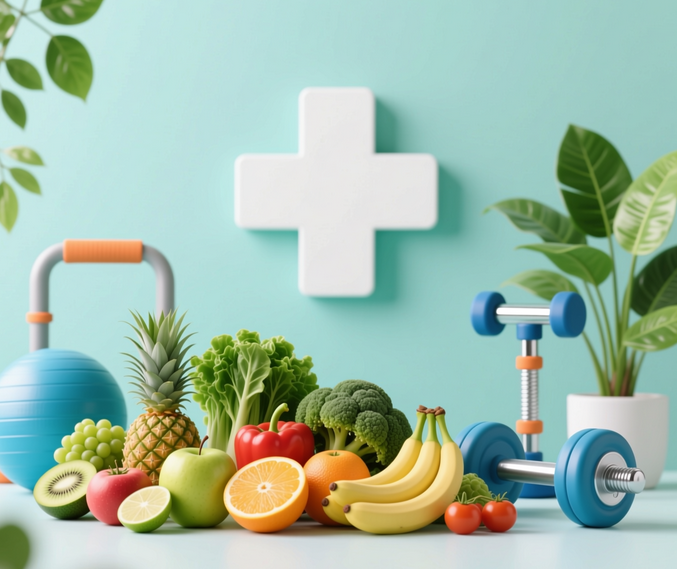
When to eat fruit depends on the purpose
Everyone's purpose of eating fruit is different, which determines the time when friends eat fruit. If there is no food at home and you are so poor that only fruits are left to satisfy your hunger, then this is easier to handle. Eat the same before and after meals, because your meals are fruits. If you want to lose weight in the short term or gain weight in the long term, you can choose to eat it on an empty stomach before meals. Friends who have a history of losing weight know that if you rely on eating fruits to lose weight, the weight loss is only temporary. Once you stop, you will rebound, and the rebound will be severe. Because eating more fruits will form a phlegm-damp constitution and cause puffiness.
Why do people eat fruit? What role should fruits play in human diet? The diet of traditional Chinese medicine emphasizes the five grains as nourishment, the five livestock as benefit, the five vegetables as supplement, and the five fruits as help. That is, the five grains of millet, wheat, rice, broomcorn millet and bean sprouts are staple foods and should account for more than half of the diet. ; Meats such as pigs, beef, and sheep further increase nutrition and are the icing on the cake. ; Vegetables are used to supplement certain trace elements that the human body may be lacking. ; As for fruits, they are only used to help digestion. From this, it can be seen that the proportion of fruits in the diet should not be very large. In addition, since it is used to aid digestion, it should only have value when there is something for digestion in the intestines and stomach. Therefore, fruits should theoretically be eaten after meals.
To bring out the good effects of fruits, it is important to eat them in the right way.
In terms of three meals——
Generally speaking, eating fruit before breakfast can both appetize and promote vitamin absorption. After a night's rest, the human gastrointestinal function is still being activated and the digestive function is not strong, but the body needs to supplement enough nutrients. At this time, eating fruits that are easy to digest and absorb can provide nutritional needs for work or study activities in the morning. However, it is best to choose fruits suitable for eating before meals that are not too acidic and not too astringent, such as apples (apple food), pears, bananas, Grape (Grape food) etc. People with poor gastrointestinal function should not eat fruits during this period.
Around ten o'clock in the morning, after a period of intense work and study, carbohydrates have basically been exhausted. Eat a fruit at this time, and its fructose and glucose can be quickly absorbed by the body to supplement the energy (energy food) required by the brain and body. This period also happens to be the active stage of body absorption. The large amount of vitamins and minerals in fruits play a very good role in promoting metabolism in the body.
Traditional Chinese medicine believes that around ten o'clock in the morning, yang energy rises, which is the time when the spleen and stomach are strongest in the day. People with weak spleen and stomach choose to eat fruits at this time, which is more conducive to body absorption. Eating fruit 1 hour after a meal can help digestion. You can choose fruits with high organic acid content such as pineapple, kiwi, orange, and hawthorn. Eating fruit after dinner is not good for digestion, and it is easy to overeat, causing the sugar in it to be converted into fat and accumulated in the body.
Fruits contain a variety of vitamins, minerals, carbohydrates, crude fiber, protein, fat and other nutrients necessary for the human body, which can promote the health of the body. healthy , thereby achieving prevention and control disease , has the effect of beautifying and beautifying (beauty food), and is the most popular natural health food among modern people.
The best time to eat fresh fruit is in the morning. The same is true for eating fruit. If you choose to eat fruit in the morning, it is most effective for the human body, can better exert its nutritional value, and produce substances that are beneficial to human health. This is because after a night's sleep (sleep food), the human body's gastrointestinal function is still being activated and the digestive function is not strong, but it needs to supplement enough nutrients. At this time, eating fruits that are easy to digest and absorb can meet the nutritional needs of work or study activities in the morning.
So how should we eat?
Fat people should eat it before meals, and thin people should eat it after meals.
Fruit itself produces less heat and is a low-calorie food. If you eat fruit first and then eat, allowing the fruit to occupy a certain volume in the stomach, it will help reduce the amount of other foods eaten, prevent excessive intake of heat energy, and play a certain role in weight control and prevention of obesity. For people who need to lose weight (diet food), eating fruit before meals has better results than simply restricting meals.
However, for people of normal weight or who need to gain weight, the time to eat fruit should be after meals. As for how long after a meal, it can be determined according to personal feelings. If you have eaten a lot of food during the meal and your stomach is full, you can eat fruit 1-2 hours after the meal. ; If there is not much food during the meal, it is not greasy (greasy food), and you feel that your stomach can hold more food, you may as well eat fruit at that time. Many people have this experience. Because they eat half a watermelon every day in the summer, they gain a lot of weight over the summer. This is due to the addition of a large amount of sugar outside of three meals, which results in an increase in fat.
It is not advisable to eat fruits as dessert after meals
A: Eating it after a meal can easily cause the organic acids in it to combine with the minerals in other foods, affecting the body's digestion and absorption. The pectin in fruits can absorb water and increase the moisture content of food in the gastrointestinal tract. Therefore, eating fruits after meals will also increase the burden on the stomach. The correct time to eat fruits is about 1 hour before meals and about 2 hours after meals (except persimmons).
First of all, many ingredients in fruits are water-soluble. Eating them before meals is beneficial to the body’s absorption of essential nutrients.; Secondly, fruits are low-calorie foods, and their average calories are only 1/4 of the same weight of pasta, and 1/10 of the same amount of meat such as pork. Eat low-calorie foods first, it will be easier to grasp the total calorie intake of each meal ; Third, many fruits themselves are easily oxidized and spoiled. Eating the fruit first can shorten the time it stays in the stomach, reduce the degree of oxidation and spoilage, and reduce possible adverse effects on the body. ; Fourth, we must be careful not to sleep Eat fruit before eating, otherwise a full stomach and intestines will affect your sleep. Don't think that eating fruit is a trivial matter. Only by eliminating these misunderstandings can you develop a lifestyle that is truly beneficial to health.
What will happen if you eat certain fruits before meals?
Perhaps, friends will say, I am just willing to eat fruit before meals. There's nothing anyone can say about this. After all, it's unlikely that a piece of fruit will kill someone. But just a reminder, some fruits will definitely be worse if eaten before meals.
Hawthorn: also called mountain red and rouge fruit. Hawthorn also contains a large amount of acidic substances. If eaten on an empty stomach before meals, it will cause gastric acid to surge, causing adverse irritation to the gastric mucosa, making it prone to fullness and pantothenic acid, aggravating the original stomach pain. In addition, the tannic acid contained in raw hawthorn combines with gastric acid to easily form stones. Therefore, the more gastric acid, the easier it is to form stones. Persimmons: Although persimmons can clear away heat and moisturize dryness, moisten the lungs and resolve phlegm, they should not be eaten in large quantities, let alone on an empty stomach. Persimmons contain a lot of tannic acid, tannins and fruit acids. When these substances encounter gastric acid, they will condense into hard lumps and settle in the stomach, forming stones, which become more and more solid and difficult to crush, causing gastric mucosal congestion, edema, erosion, ulcers, and severe gastric perforation.
In addition, lychees, papayas, etc. should also be eaten half an hour after meals, which can not only prevent indigestion, but also prevent these things that are originally beneficial to the body from turning into harmful substances.
Keep these four points in mind before and after meals
First, don’t eat fruits that are too sour and astringent on an empty stomach.
Avoid irritating the stomach, as it may also form substances that are not easily soluble with the protein in the stomach.
Second, don’t eat fruit immediately after eating
In this way, the food that arrived earlier will be blocked in the stomach, resulting in the fruit not being digested normally in the stomach, but fermenting in the stomach, causing abdominal distension, diarrhea or constipate and other symptoms. In the long run, it will also lead to digestive disorders and additional energy.
Third, special attention needs to be paid to the temperature of the fruit
If you eat a lot of greasy food and then eat a lot of cold fruits, the blood vessels in the stomach will shrink due to cold. For people with weak stomachs and who are sensitive to cold, it may affect digestion and absorption, and even cause stomach discomfort. Therefore, it is advisable to eat fruits at room temperature, and do not be greedy for fruits just taken out of the refrigerator.
Fourth, physical fitness should be considered when choosing fruit varieties.
People with diabetes (diabetic food) should choose fruits with low sugar content and high pectin, such as strawberries, peaches, etc.; anemia Patients should choose longan, dates, strawberries, etc. with higher vitamin C content.; People who are prone to cold pain and diarrhea in the abdomen should avoid bananas, pears, etc. You can consult a traditional Chinese medicine expert to make a decision in this regard.
In addition, eating more fruits is not always better. Eating them at the right time is good for the body. Overeating or overeating or eating out of season can also cause illness.
Disclaimer:
1. This article is sourced from the Internet. All content represents the author's personal views only and does not reflect the stance of this website. The author shall be solely responsible for the content.
2. Part of the content on this website is compiled from the Internet. This website shall not be liable for any civil disputes, administrative penalties, or other losses arising from improper reprinting or citation.
3. If there is any infringing content or inappropriate material, please contact us to remove it immediately. Contact us at:
